#LeafPlayIs…

We are enjoying all the colors of fall as peak fall color hits across Northern Illinois! We asked NINPA members what leaf play looks like in their classrooms and playspaces.

#LeafPlayIs… Reading Connections

  • In fall we read books like Going on a Leaf Hunt by Steve Metzger and Leaf Man by Lois Ehlert. Both of these books inspire so much fun leaf play and exploration. They are the perfect way to start a fall day! – Kathryn, The Children’s Garden at The Morton Arboretum
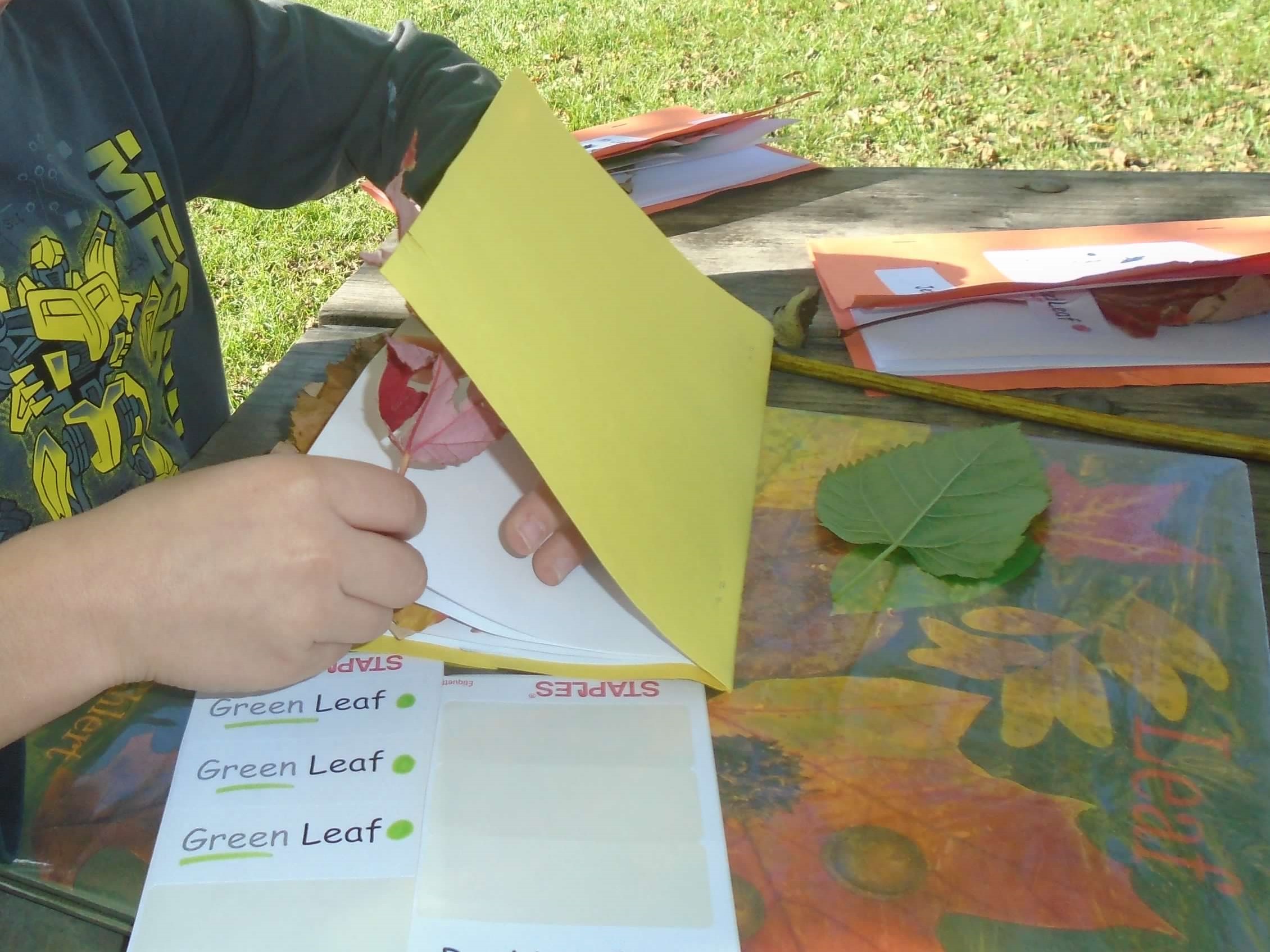
  • We make leaf books with leaves we find on our hikes and stickers that help identify colors, leaf types, and descriptors like smooth, bumpy, rough – Cara, Wildwood Nature Center/Park Ridge Park District
#LeafPlayIs… Big Motion

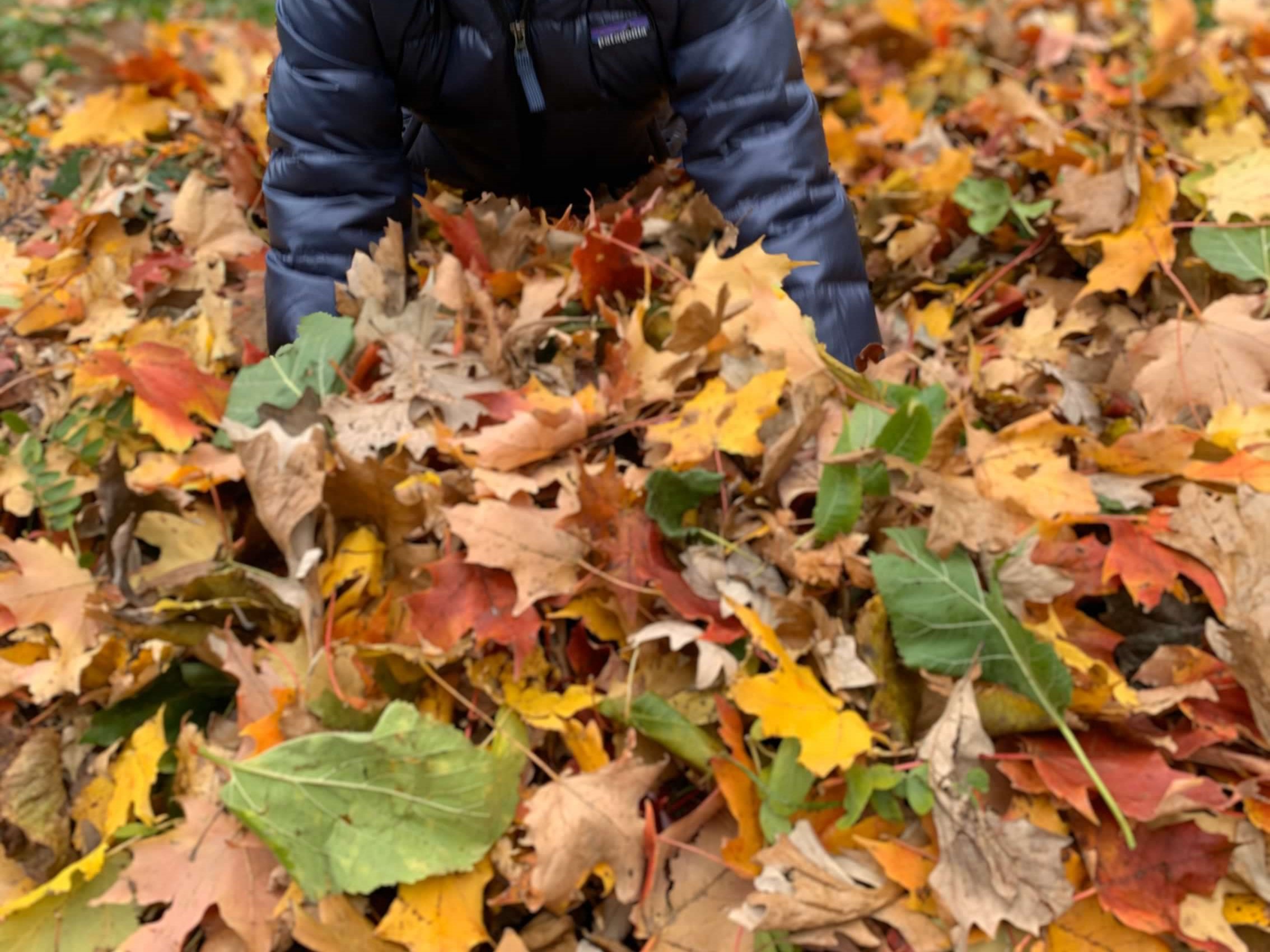
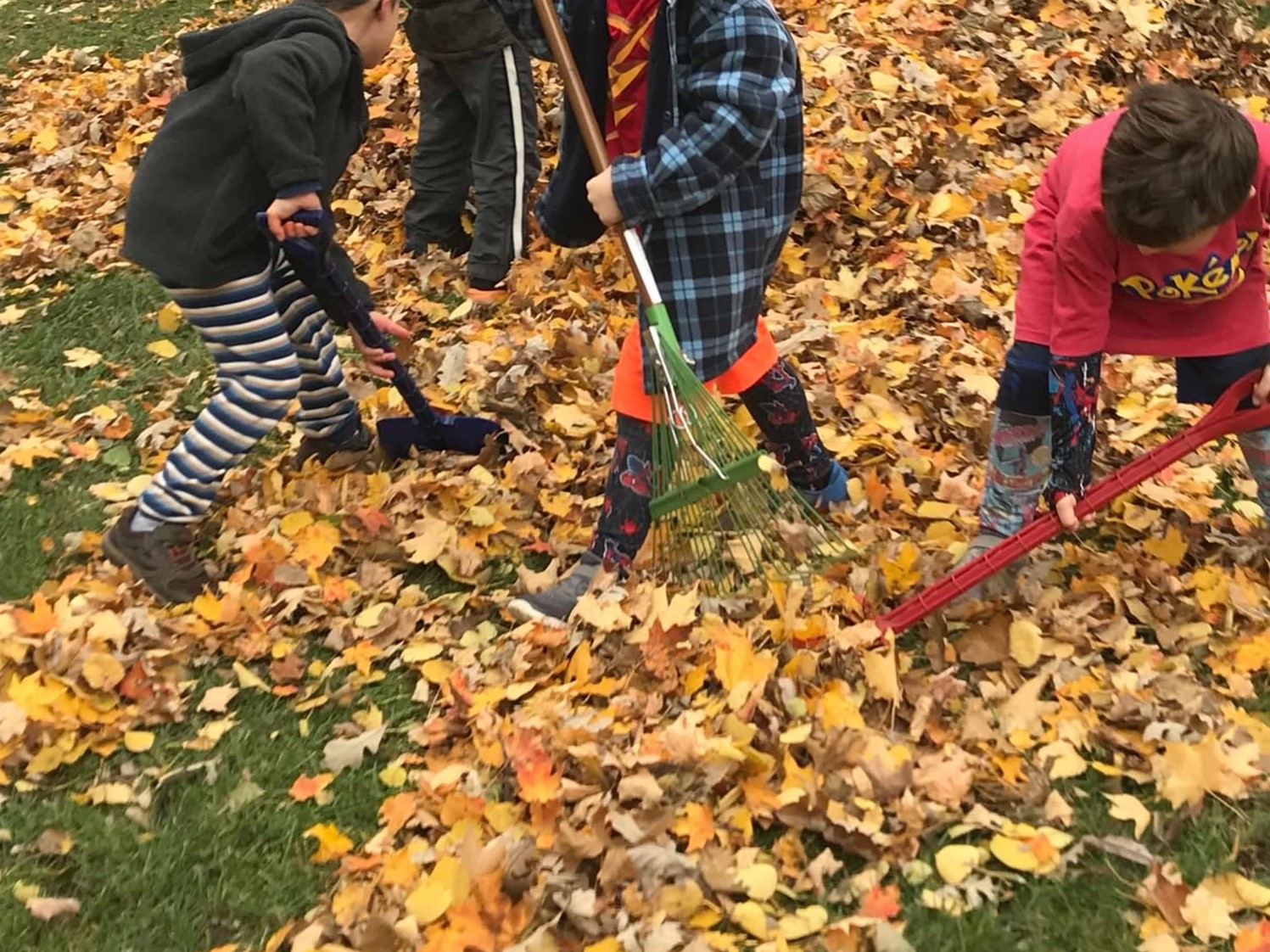
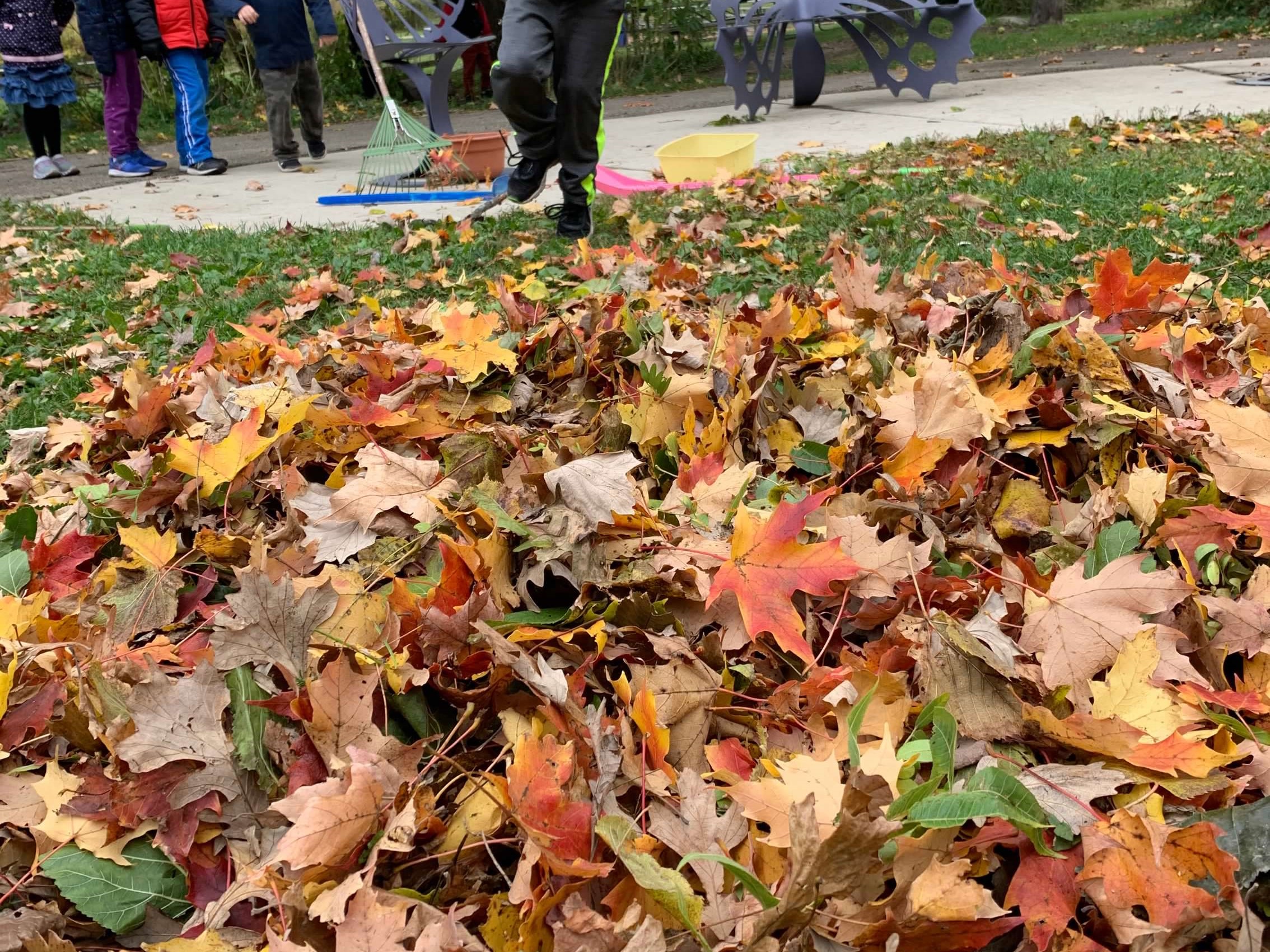
  • Raking and jumping in the piles – Megan, Little Trees Early Learning Program at The Morton Arboretum
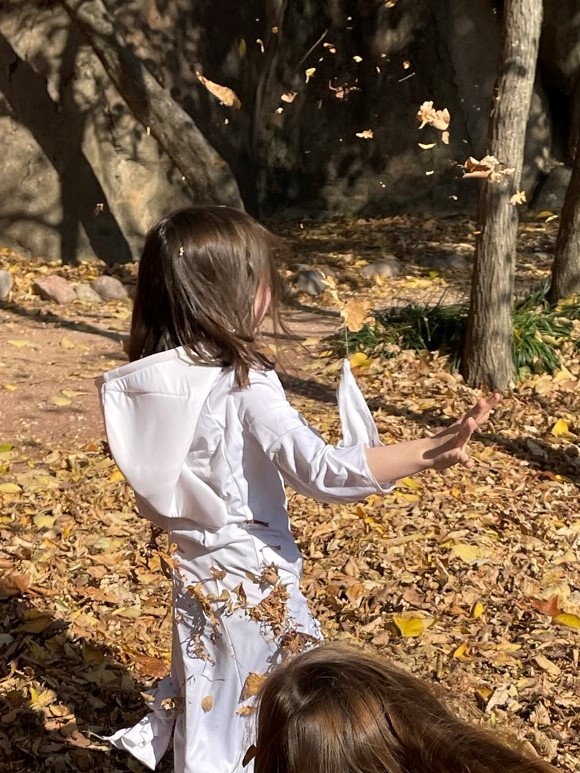
  • Running through large piles of leaves and tossing them into the air – Marilyn, Morton College
  • Adding leaves into our parachute play – Jennifer, Prairie School of DuPage

#LeafPlayIs… Scientific Exploration

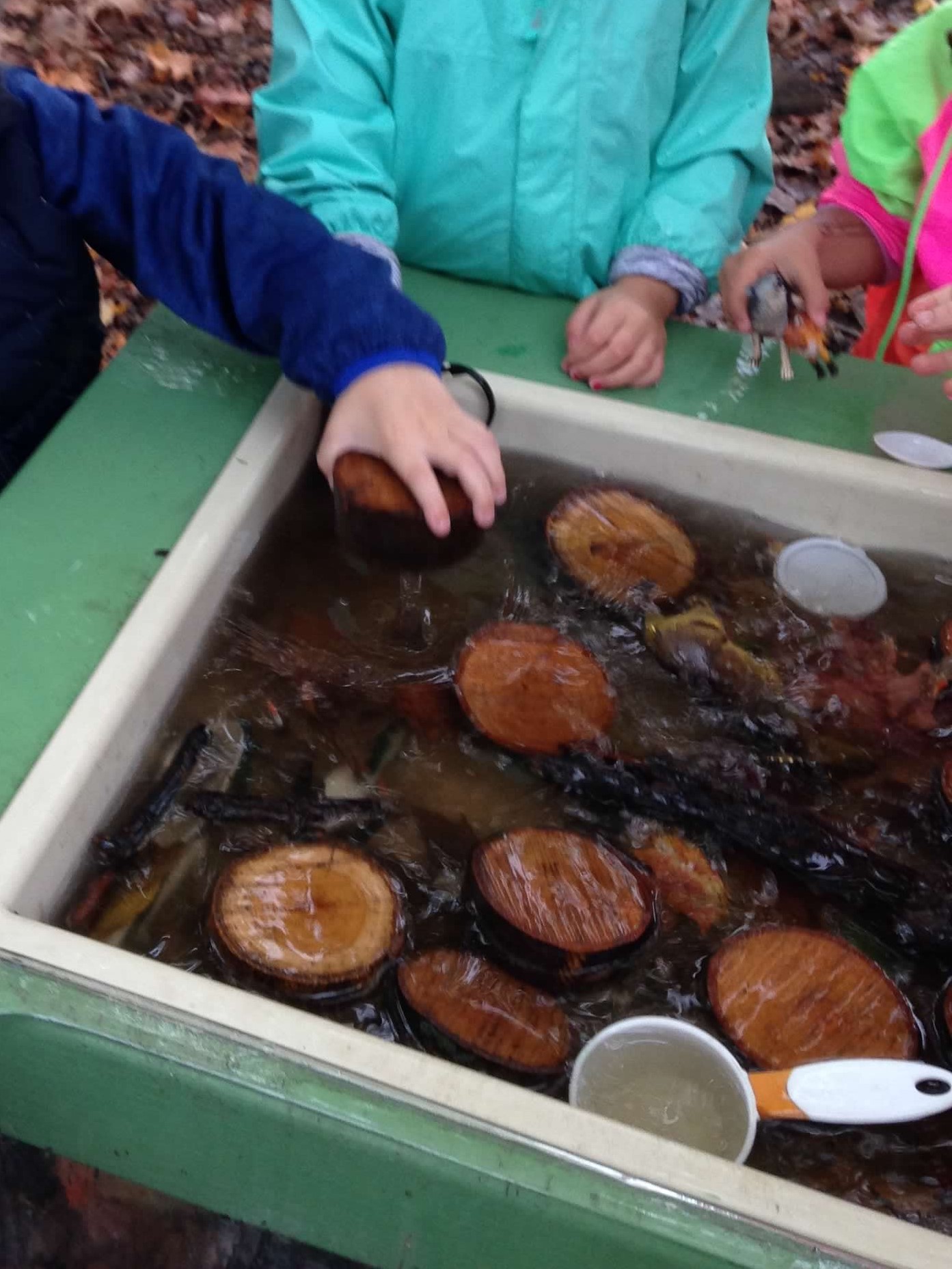
  • Take small rakes into the woods to “clear a path” which always uncovers the wonderful world of decomposers under the leaf litter – Beth, Hobson School
  • Find different colors of plants and leaves – Kathryn, The Children’s Garden at The Morton Arboretum
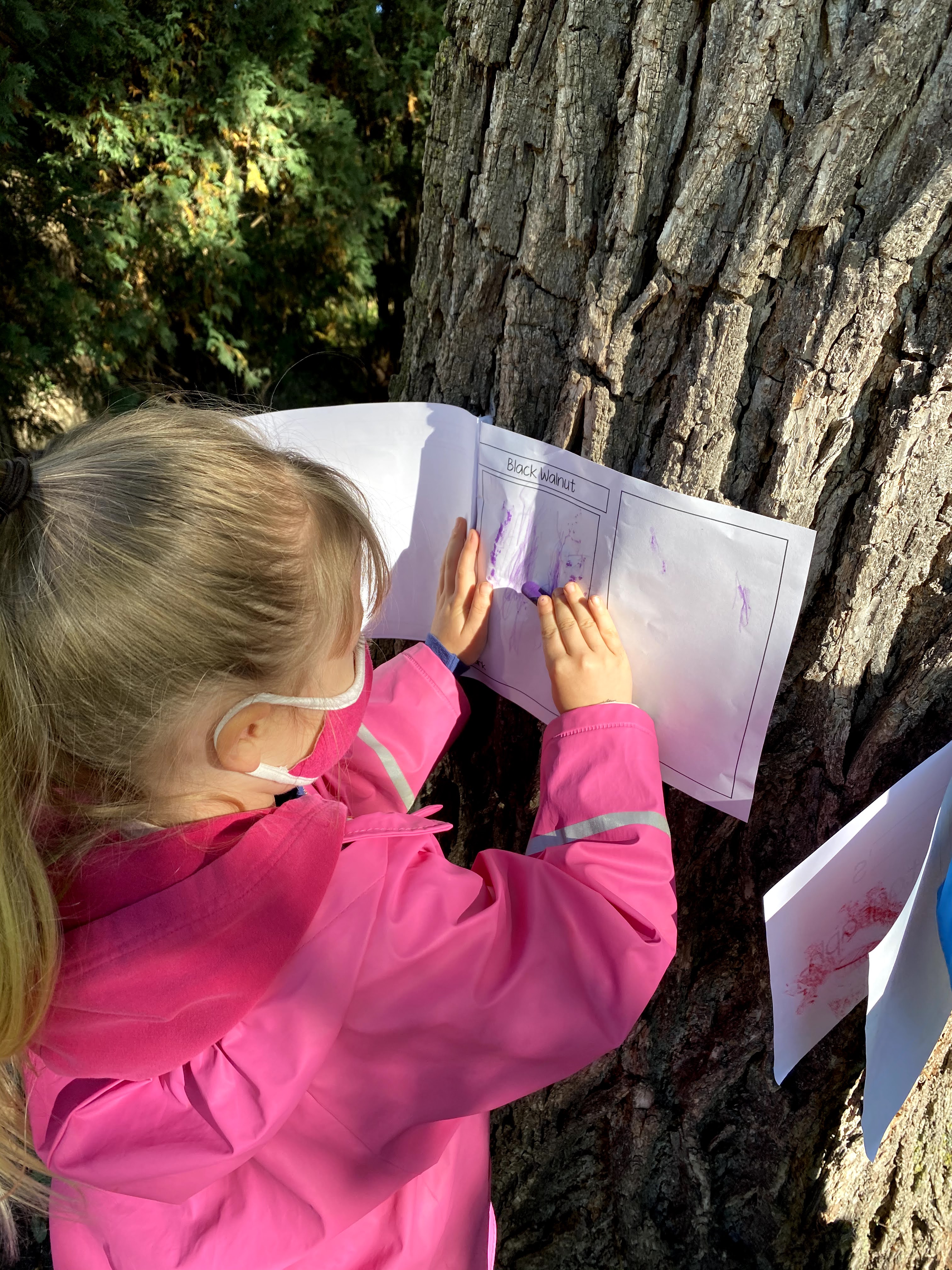
  • Create tree “autograph books” bark rubbing and leaf rubbings – Jennifer, Prairie School of DuPage
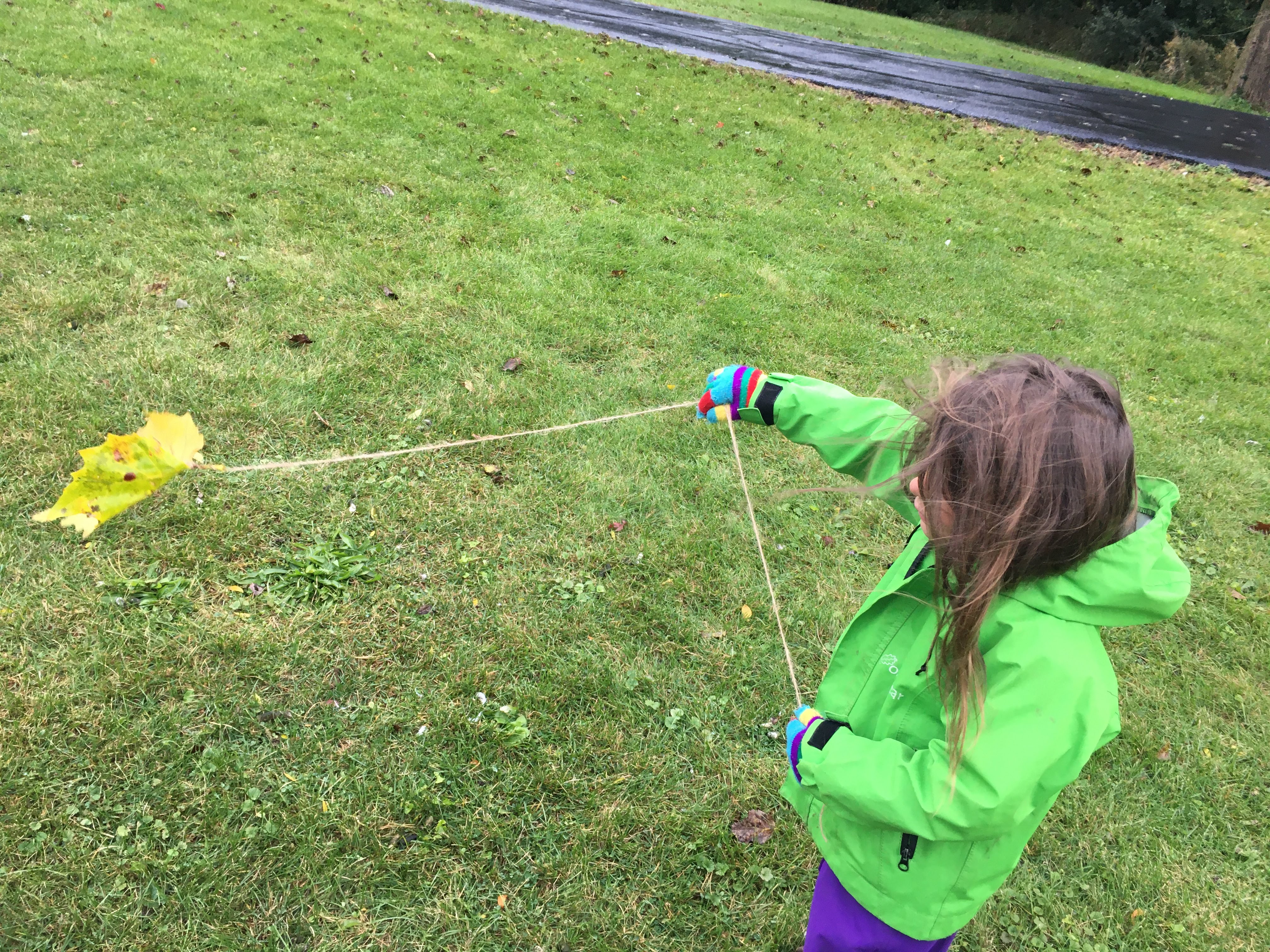
  • Make a leaf kite and watch how it dances in the wind – Jennifer, Prairie School of DuPage
  • Put a green leaf between two squares of fabric (I use an old sheet cut up) and pound the chlorophyll out of it. This makes a very nice leaf stain on the fabric square and coincides with how leaves are losing their green color and the fall colors are now showing. (It also smells wonderful!)  – Marji, FCC Weekday Preschool

#LeafPlayIs… Community

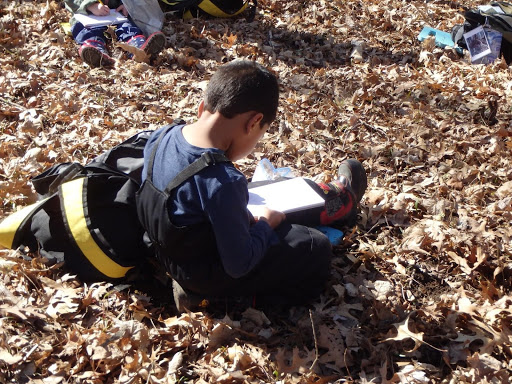
  • Lay down under the trees and watching the leaves fall down and talking about the colors we see.  It’s a simple activity, but always one that invites us to share in a moment of joy, wonder, and connection – Beth, Hobson School
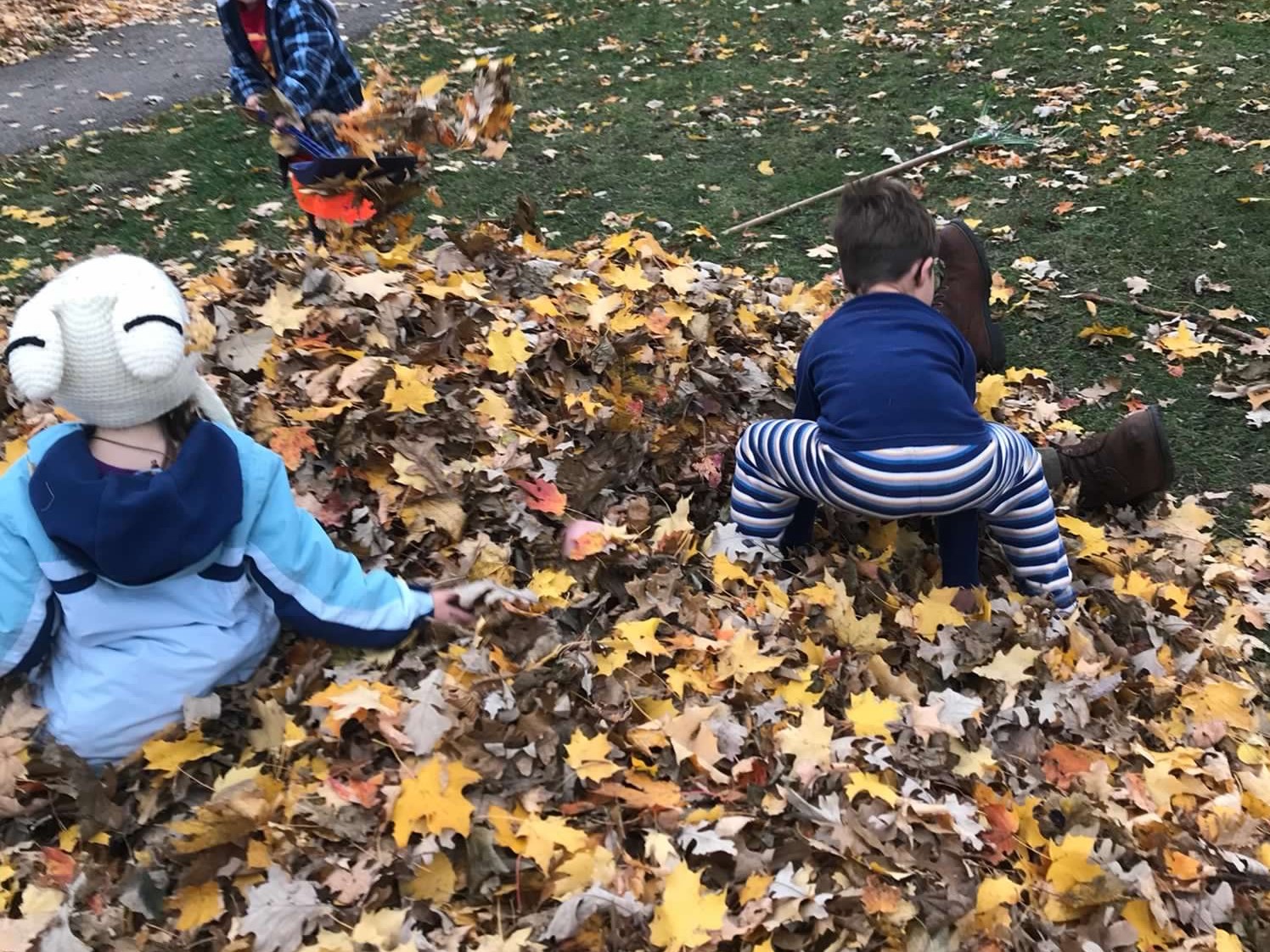
  • Working together to rake big enough piles to jump in, taking turns jumping, and burying our friends and teachers in the piles (wait to jump until everyone is out!) – Cara, Wildwood Nature Center/Park Ridge Park District
#LeafPlayIs… Math

  • Examine different shapes of leaves and measure smallest to largest leaf that we can find – Marji, FCC Weekday Preschool
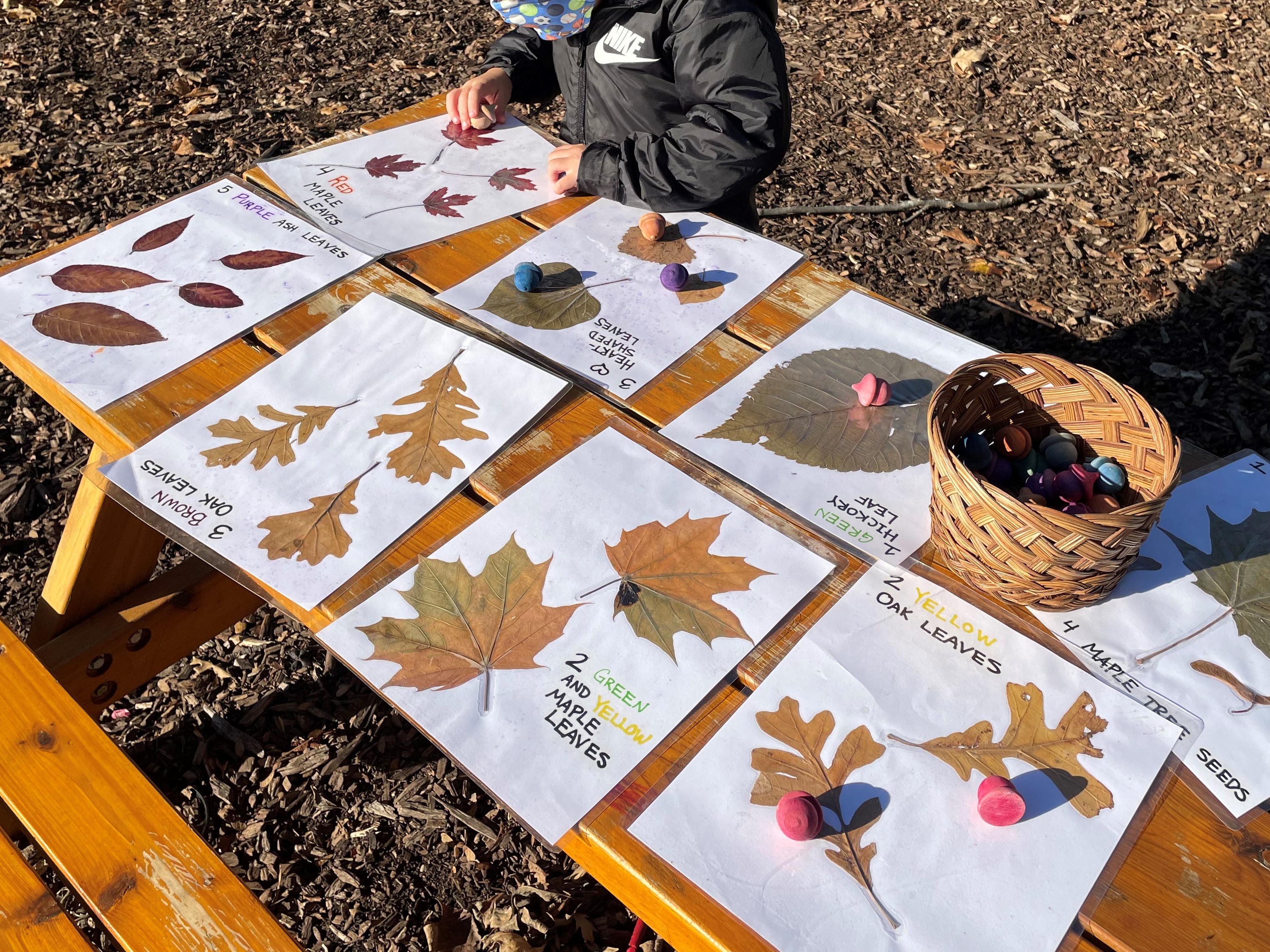
  • Leaf sorting by shapes and colors – Sean, Chicago Park District
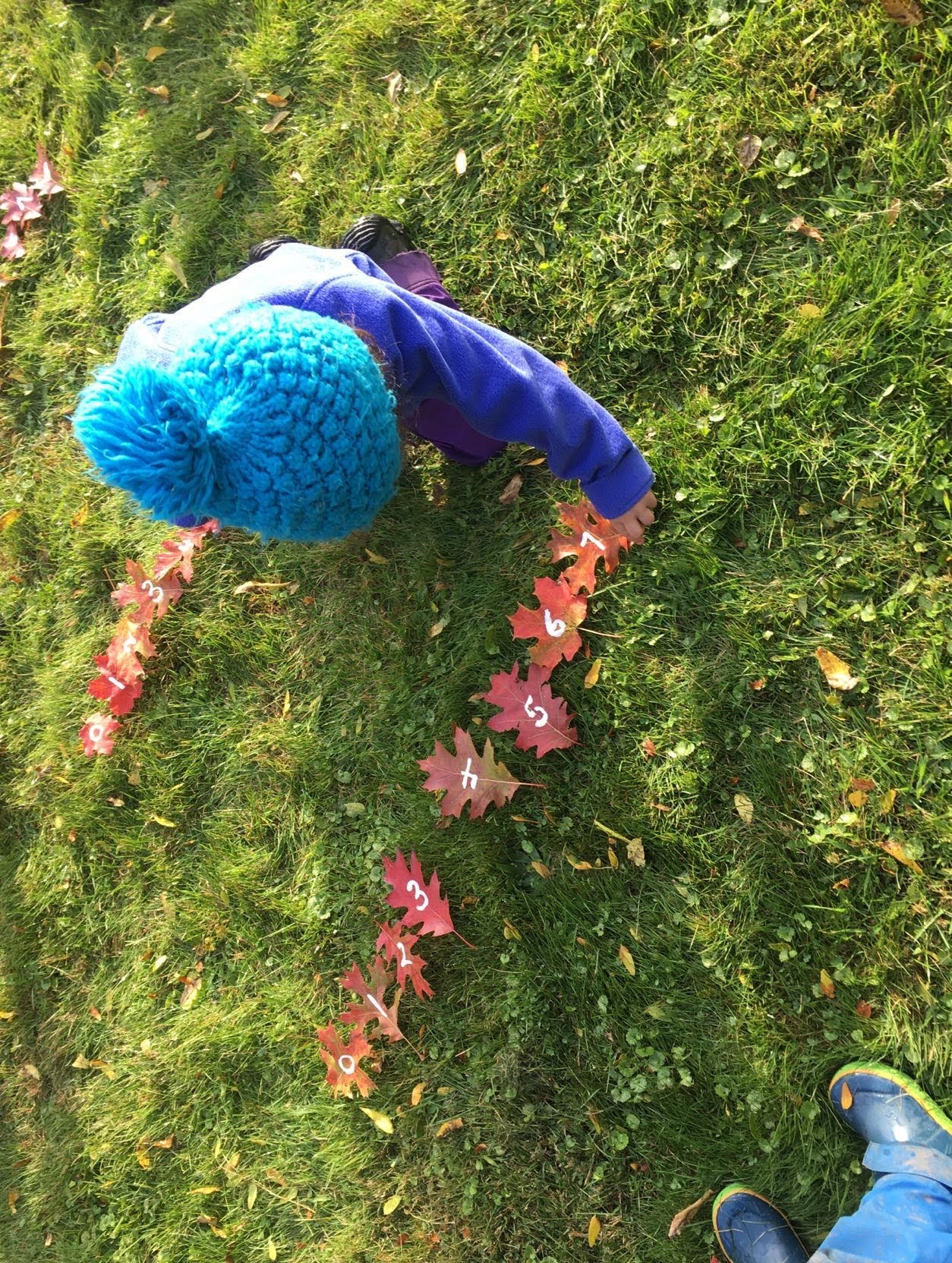
  • Sorting number leaves into numerical order and making 10 with different pairings – Jennifer, Prairie School of DuPage
  • Using leaves and other natural materials for sequencing and patterns – Jennifer, Prairie School of DuPage
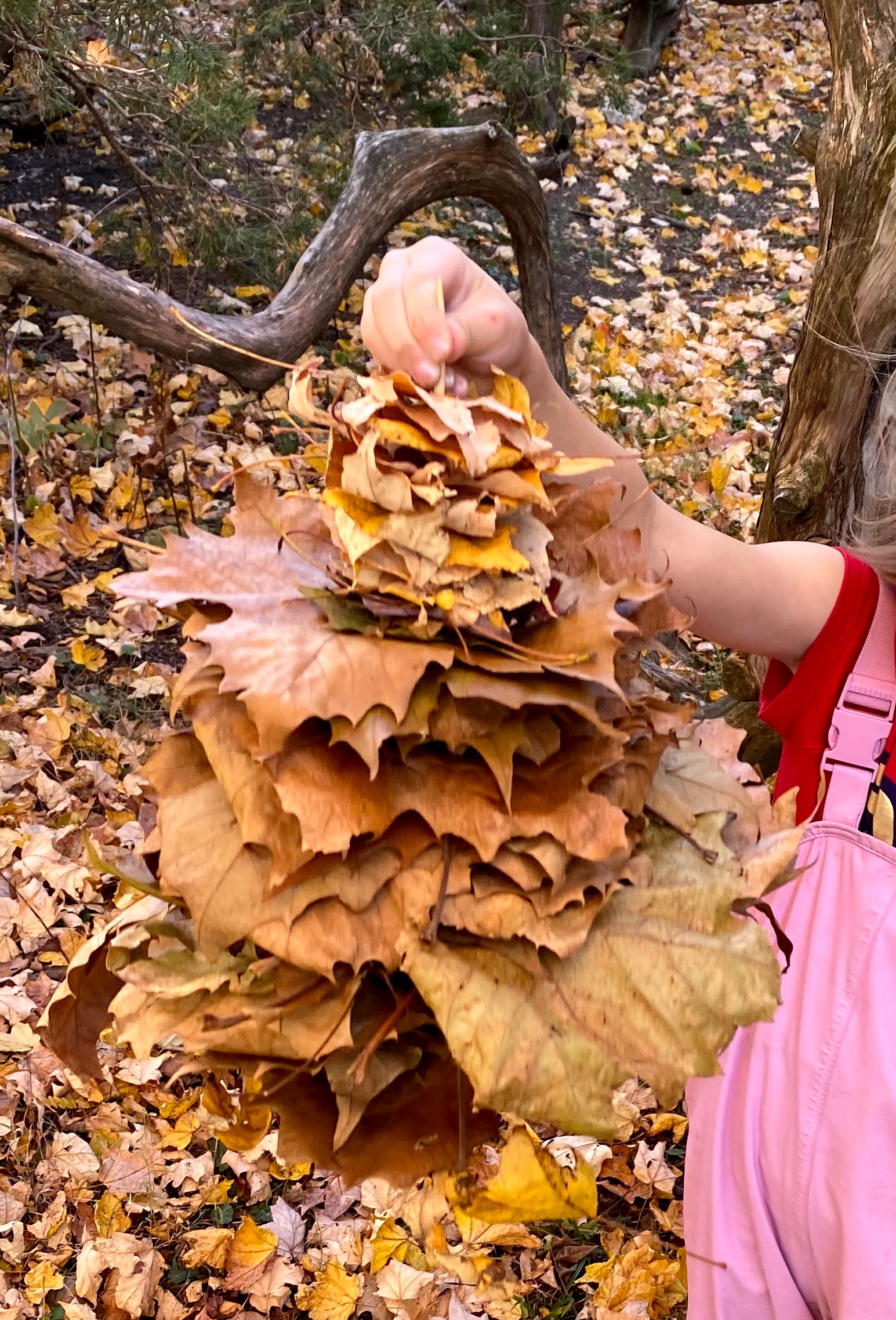
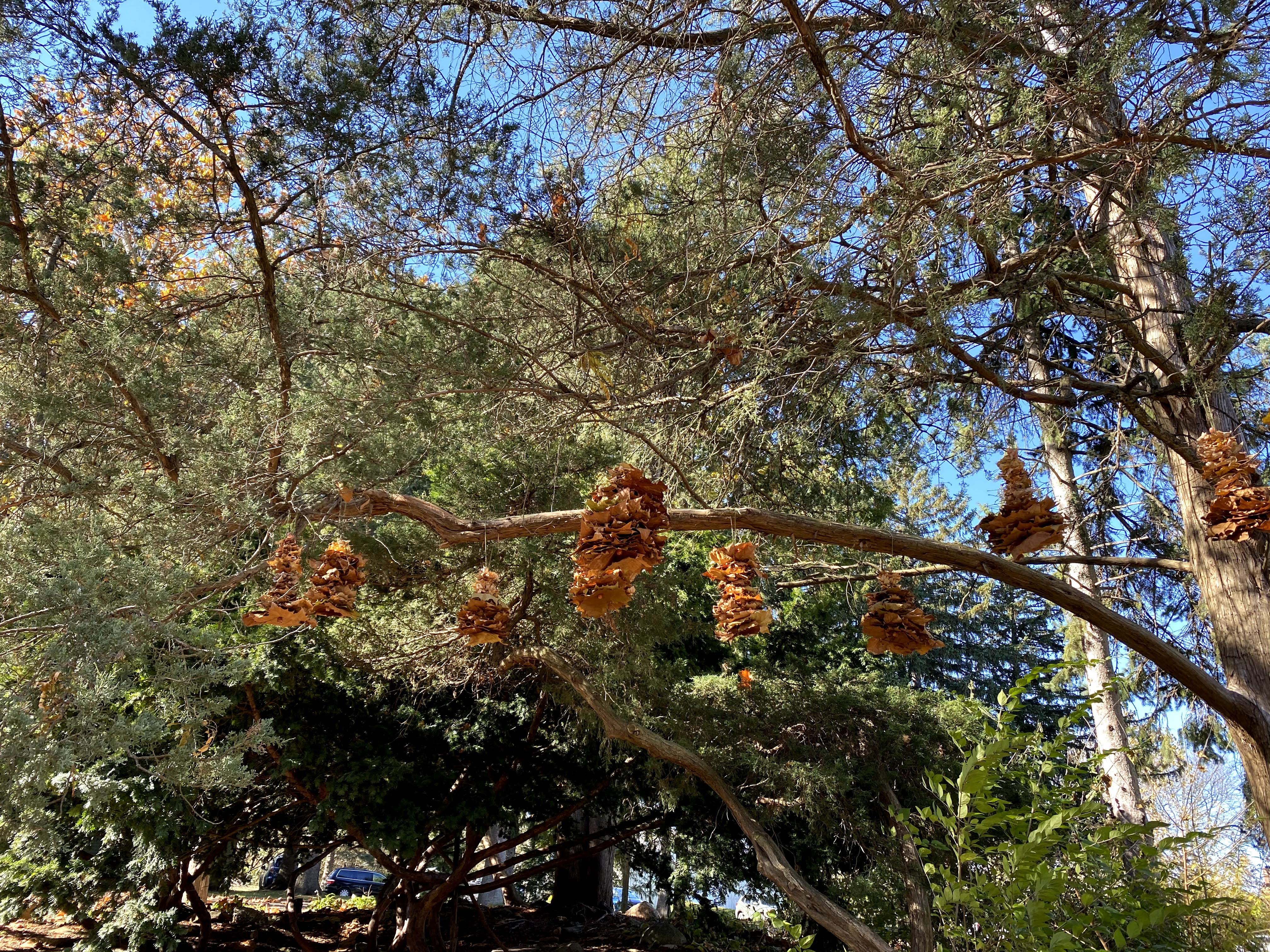
  • Hanging Tree towers – leaves stacked biggest to smallest on a skewer – Jennifer, Prairie School of DuPage

#LeafPlayIs… Artistic

  • Creating Fairy Houses – Sean, Chicago Park District
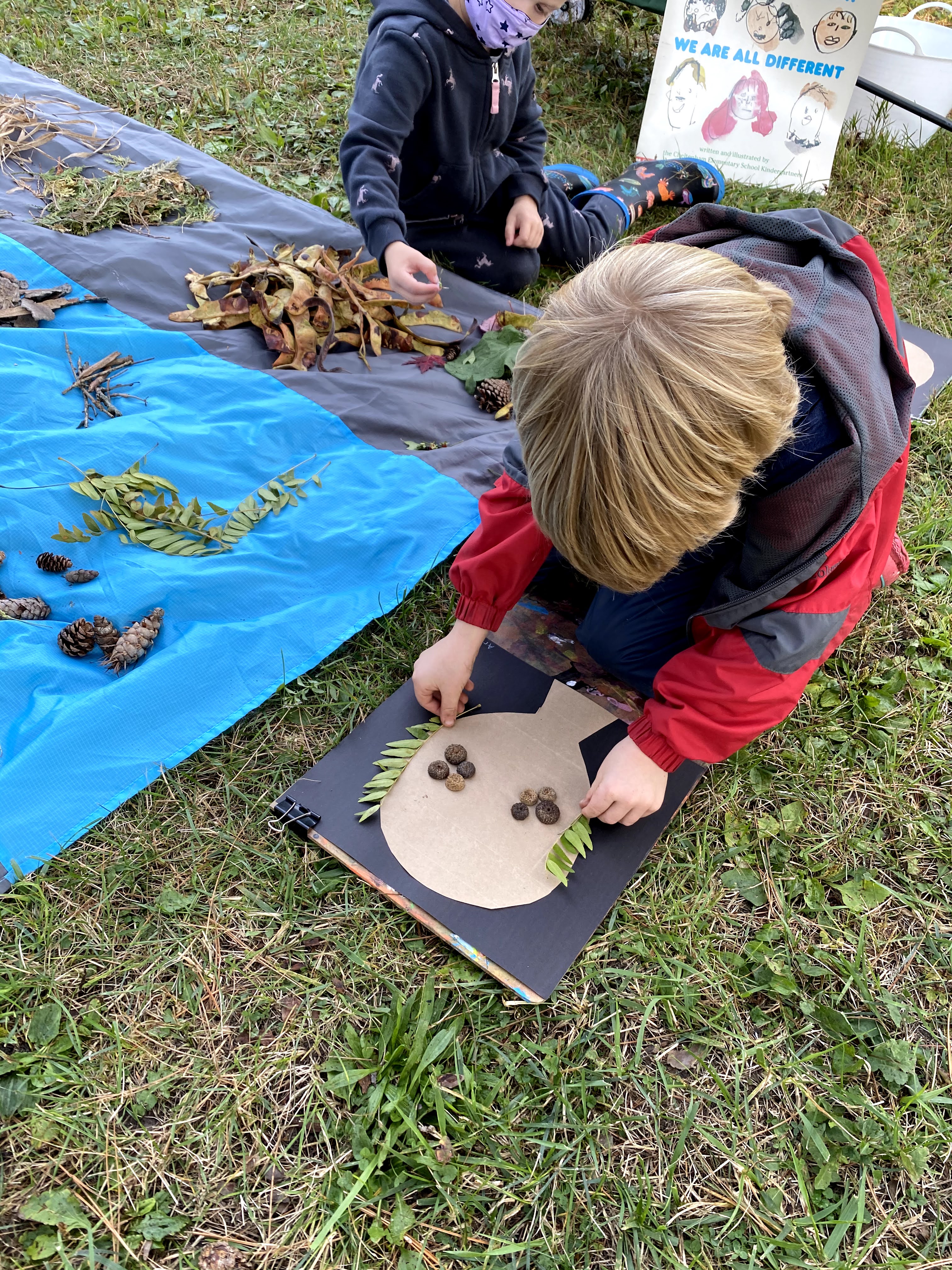
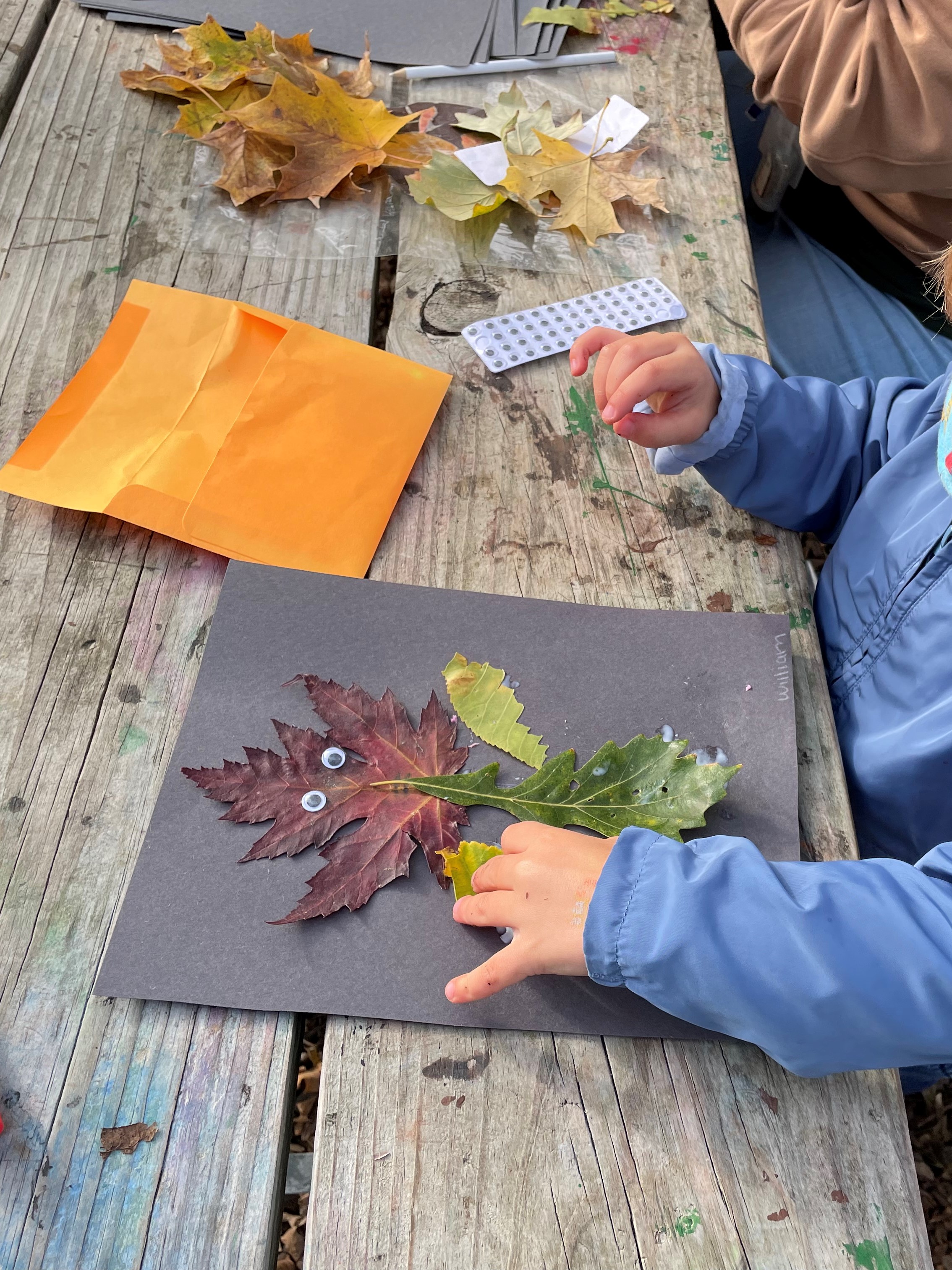
  • Collecting fallen natural materials such as leaves, tree seeds and use that to create art – Kathryn, The Children’s Garden at The Morton Arboretum
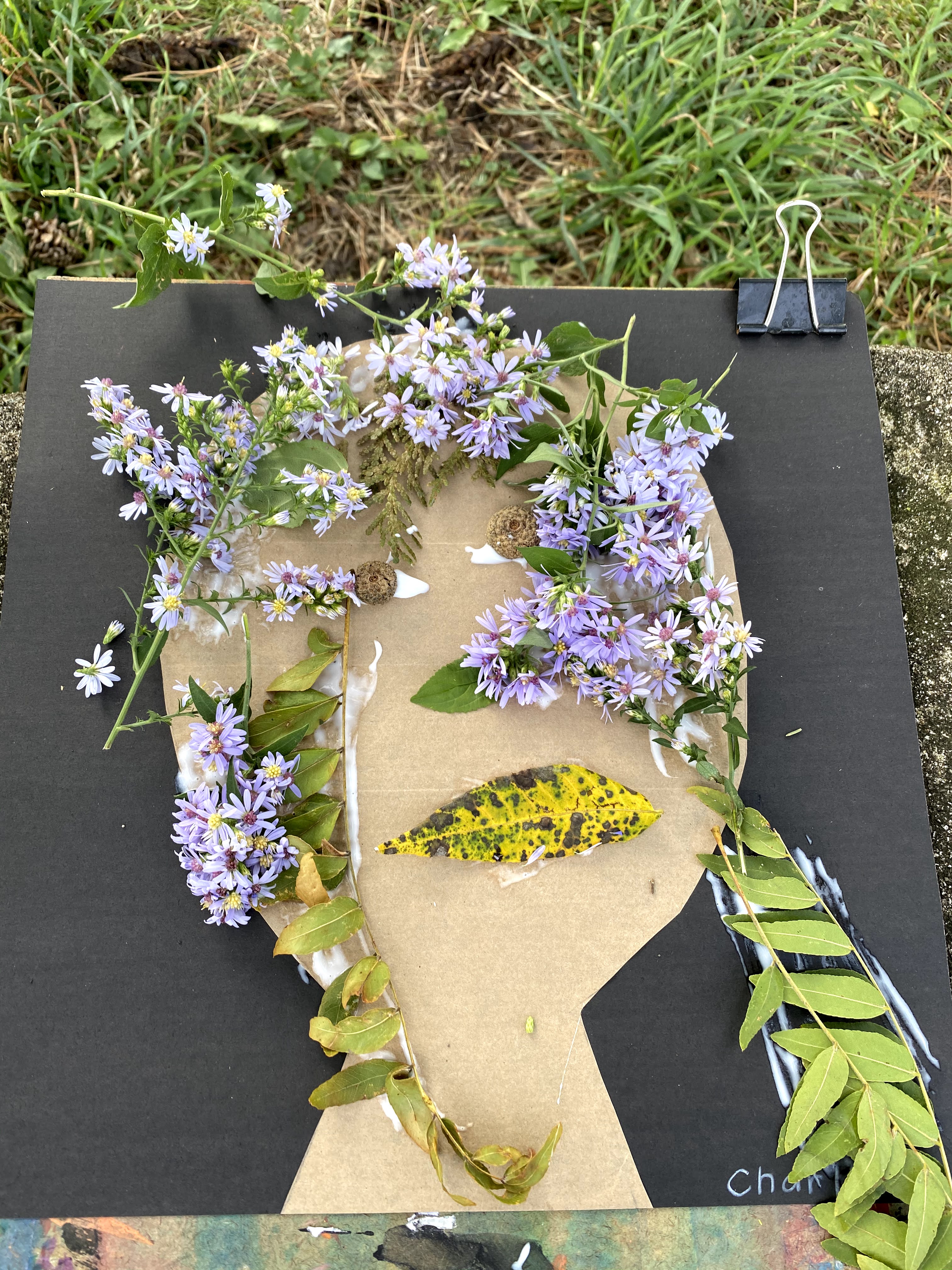
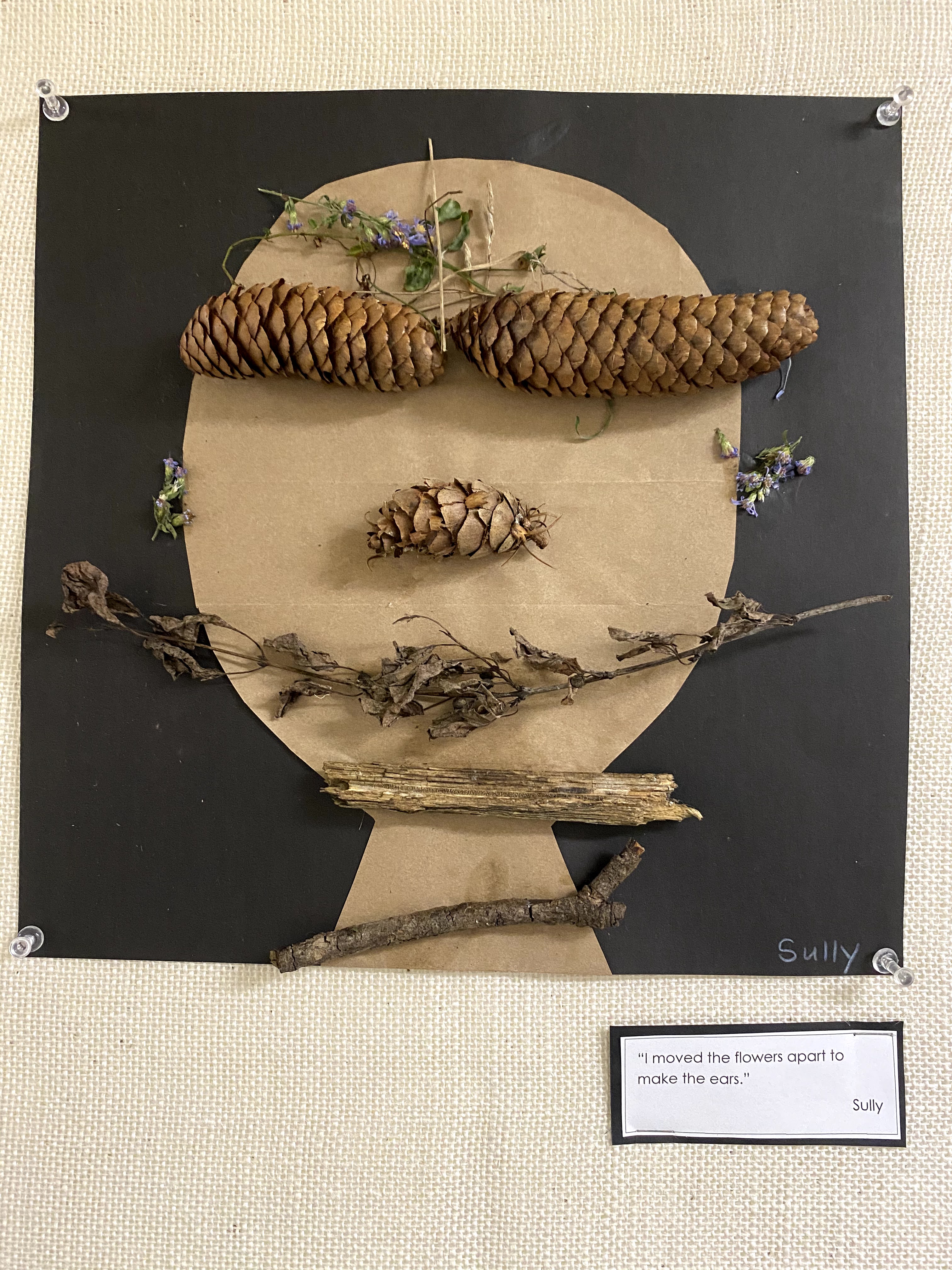
  • Making self portraits out of natural items – Jennifer, Prairie School of DuPage
  • Print-making with paint and leaves – Beth, Hobson School

#LeafPlayIs… Sensory

  • I also usually create a fall sensory bin filled with tree seeds and leaves, I allow the children to add their own collections to this – Kathryn, The Children’s Garden at The Morton Arboretum
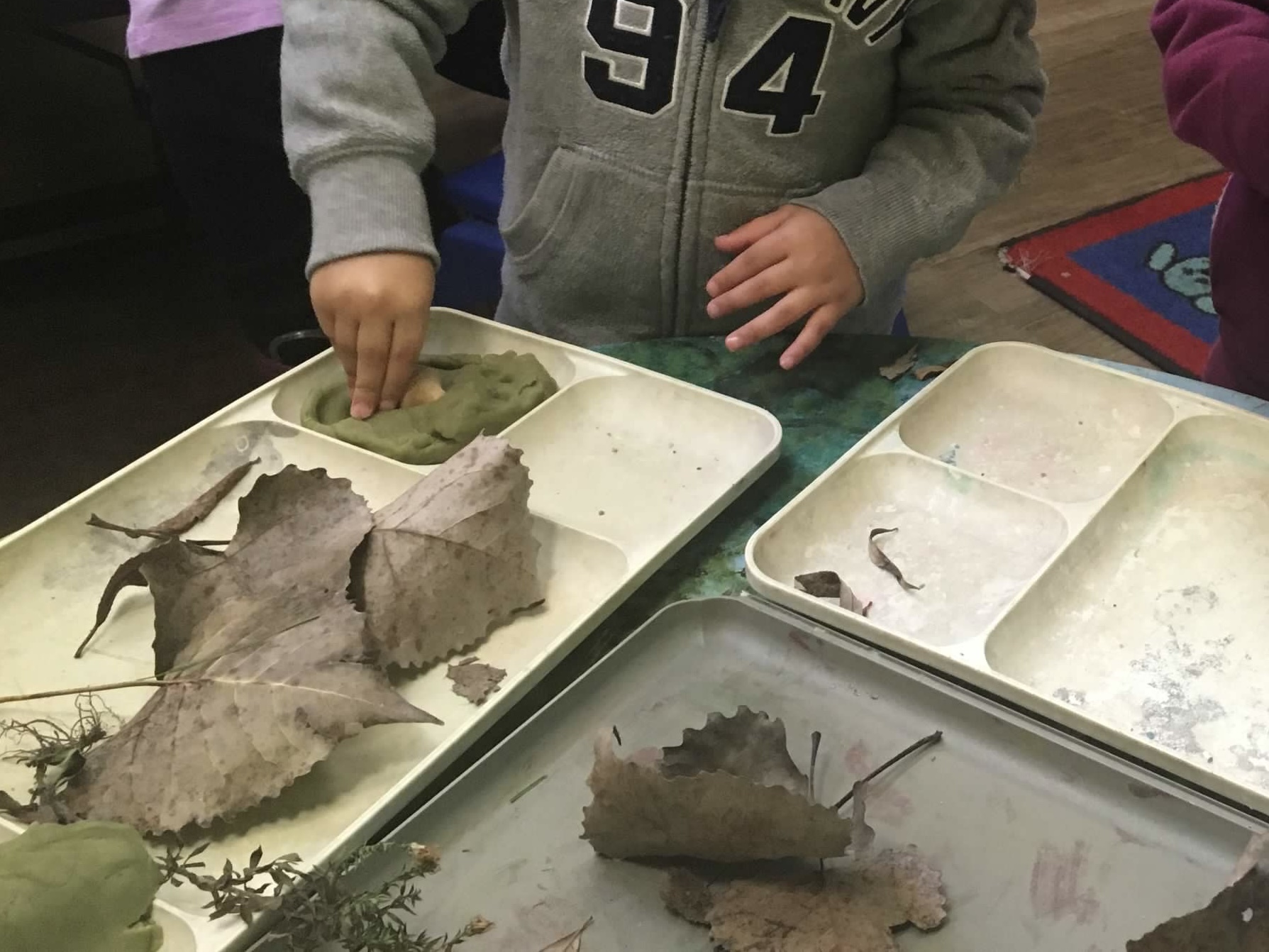
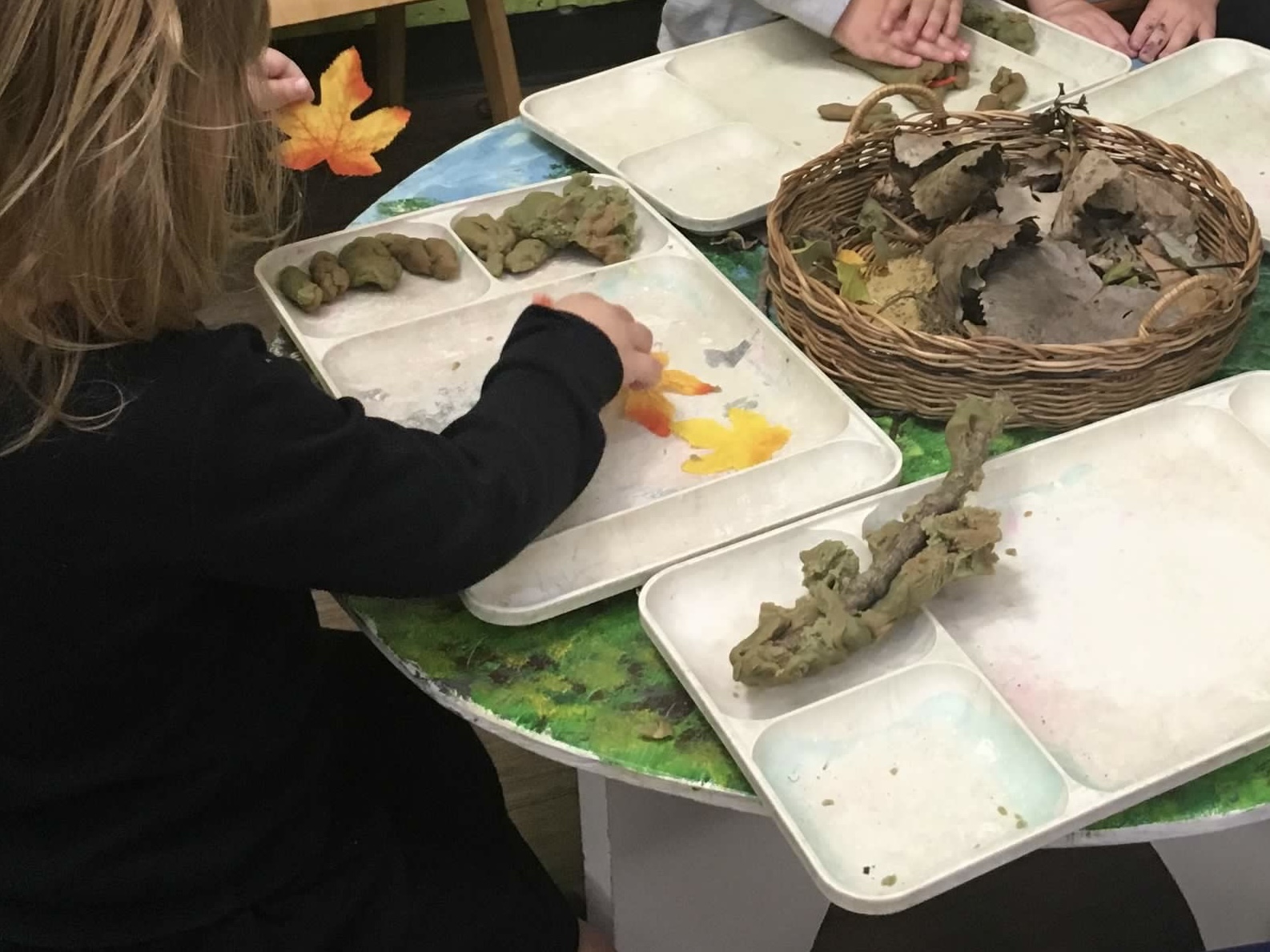
  • Using playdough with leaves, acorns and pinecones – Beth, Hobson School

#LeafPlayIs… Building Dexterity

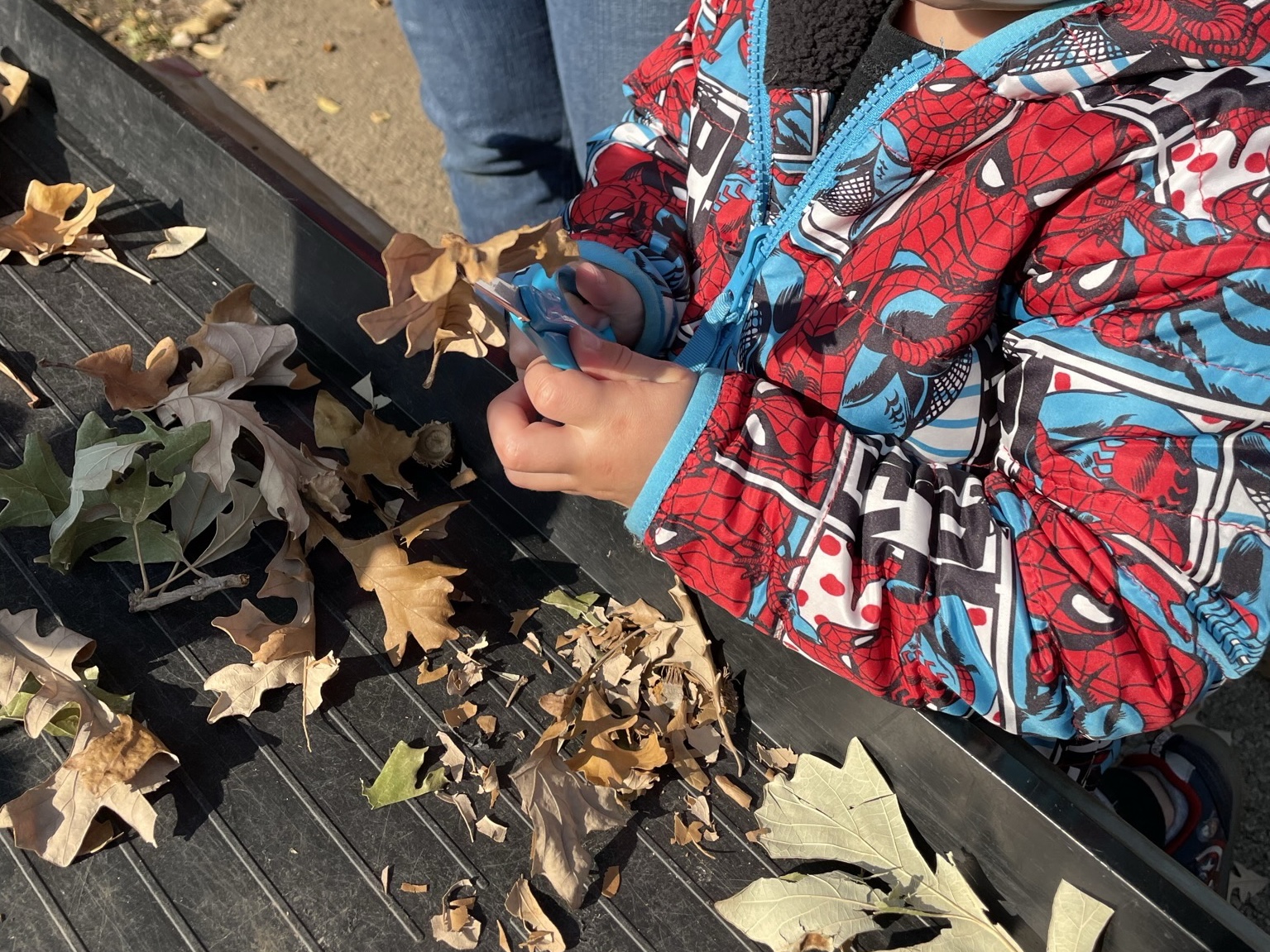
  • Cutting leaves with scissors – Cara, Wildwood Nature Center, Park Ridge Park District
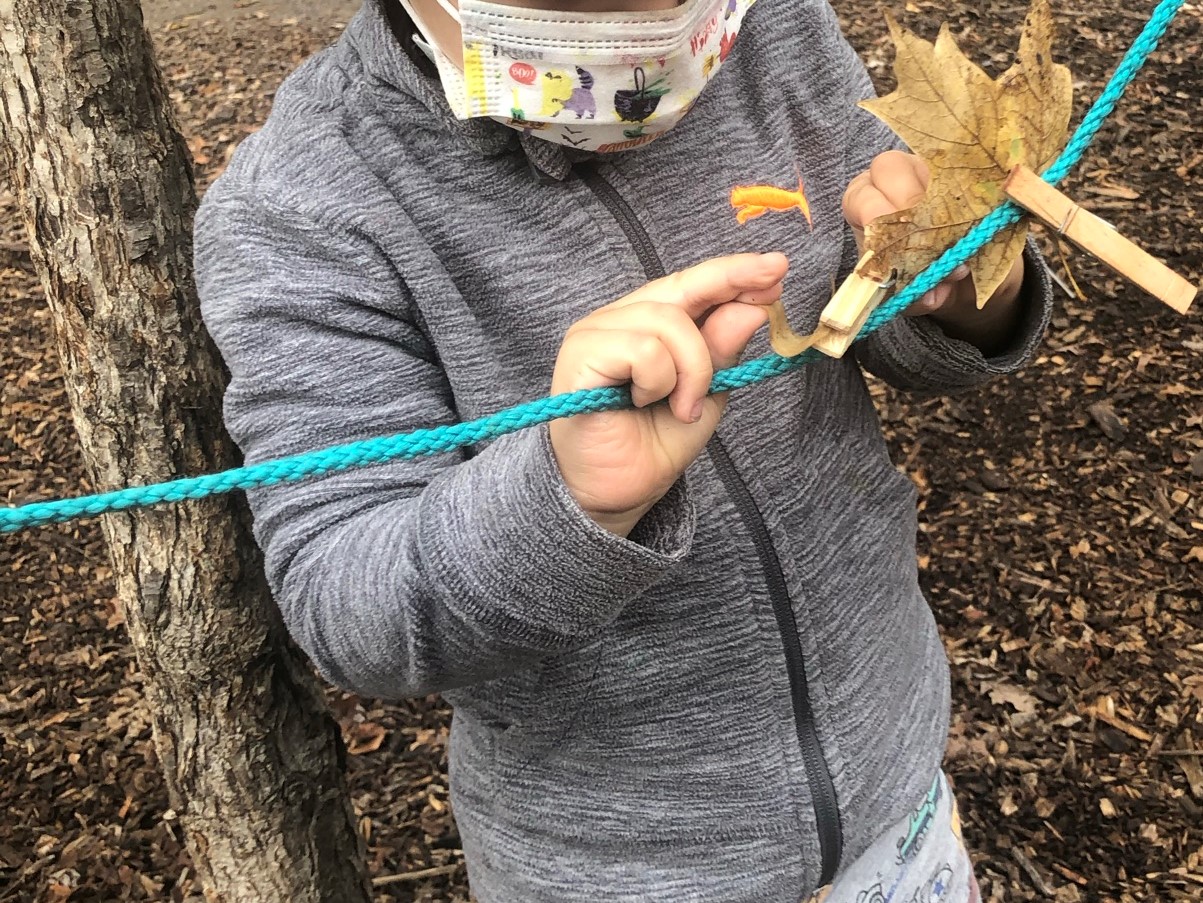
  • Hanging leaves with clothespins – Cara, Wildwood Nature Center, Park Ridge Park District
  • Sewing leaves together to make leaf garland – Beth, Hobson School

How do you play with leaves in your program or program space?

13 Pumpkin Play Activities

It’s Pumpkin Season! We counted down to Halloween with #13DaysOfPumpkinPlay, shared by NINPA members. Not a member yet? Follow this link to sign up – registration is free and easy.

1. Prickly Pumpkins

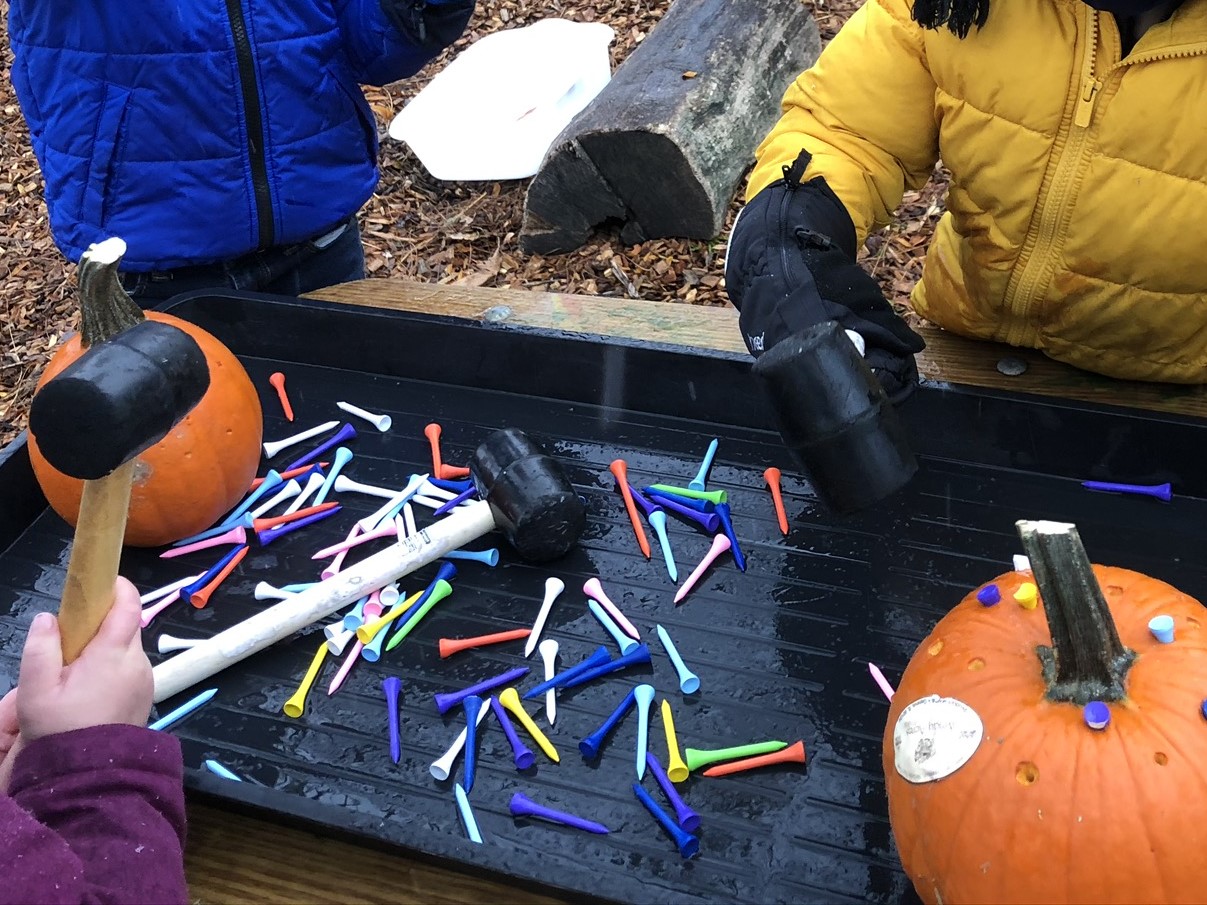
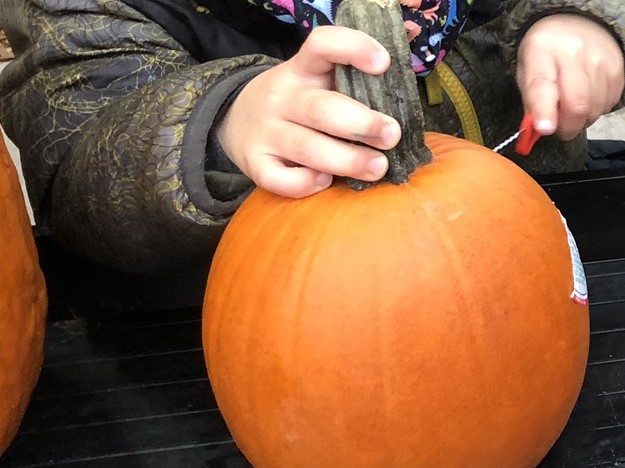
Pumpkins + mallets + golf tees = prickly pumpkins! While having fun, we are also navigating tool use, exploring pumpkin parts, and working our fine motor skills and hand eye coordination. – Molly, Wildwood Nature Preschool/Park Ridge Park District

2. Pumpkin Geoboards

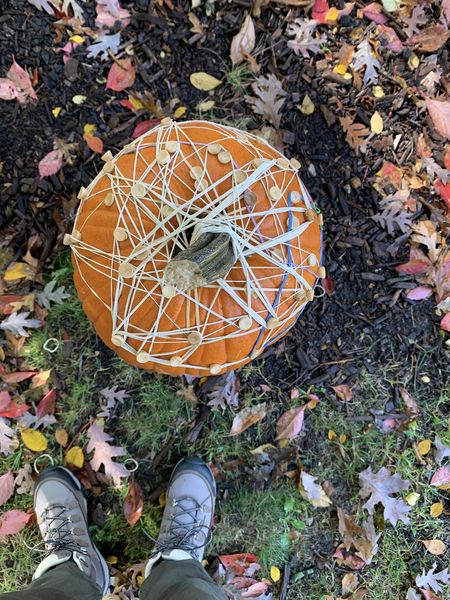
Art, math, shapes, physics, fine motor… but most importantly, FUN! – Megan, Little Trees Early Learning Program at The Morton Arboretum

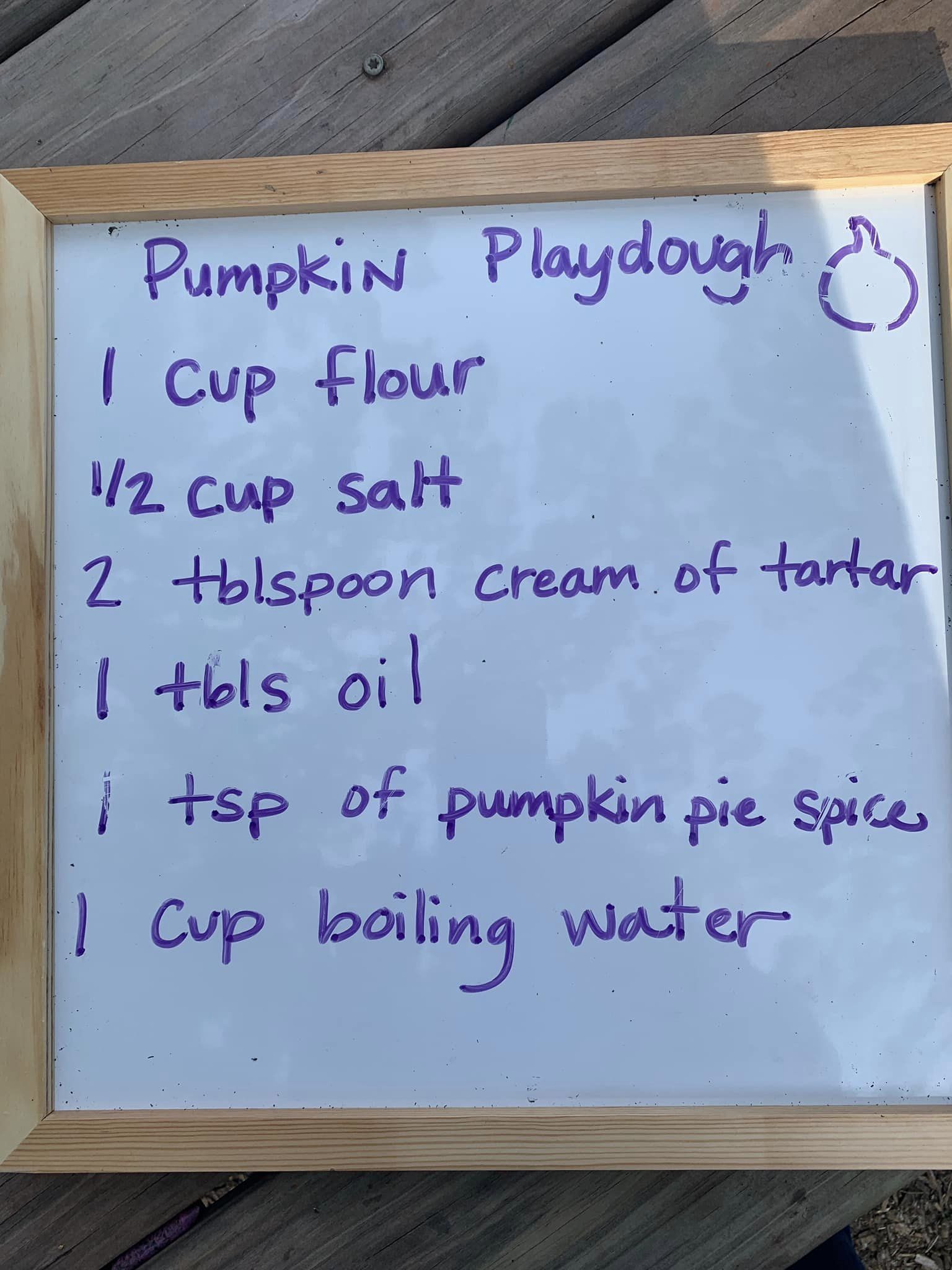
3. Pumpkin Playdough

Warm pumpkin play dough on a chilly fall morning? Yes, please!

We’re following recipes, seeing how mixing ingredients together makes them change, and using our big strong muscles to mix that dough. Then add some loose parts for a funny pumpkin face – or anything else our hearts desire! – Megan, Little Trees Early Learning Program at The Morton Arboretum

4. Pumpkin Loose Parts

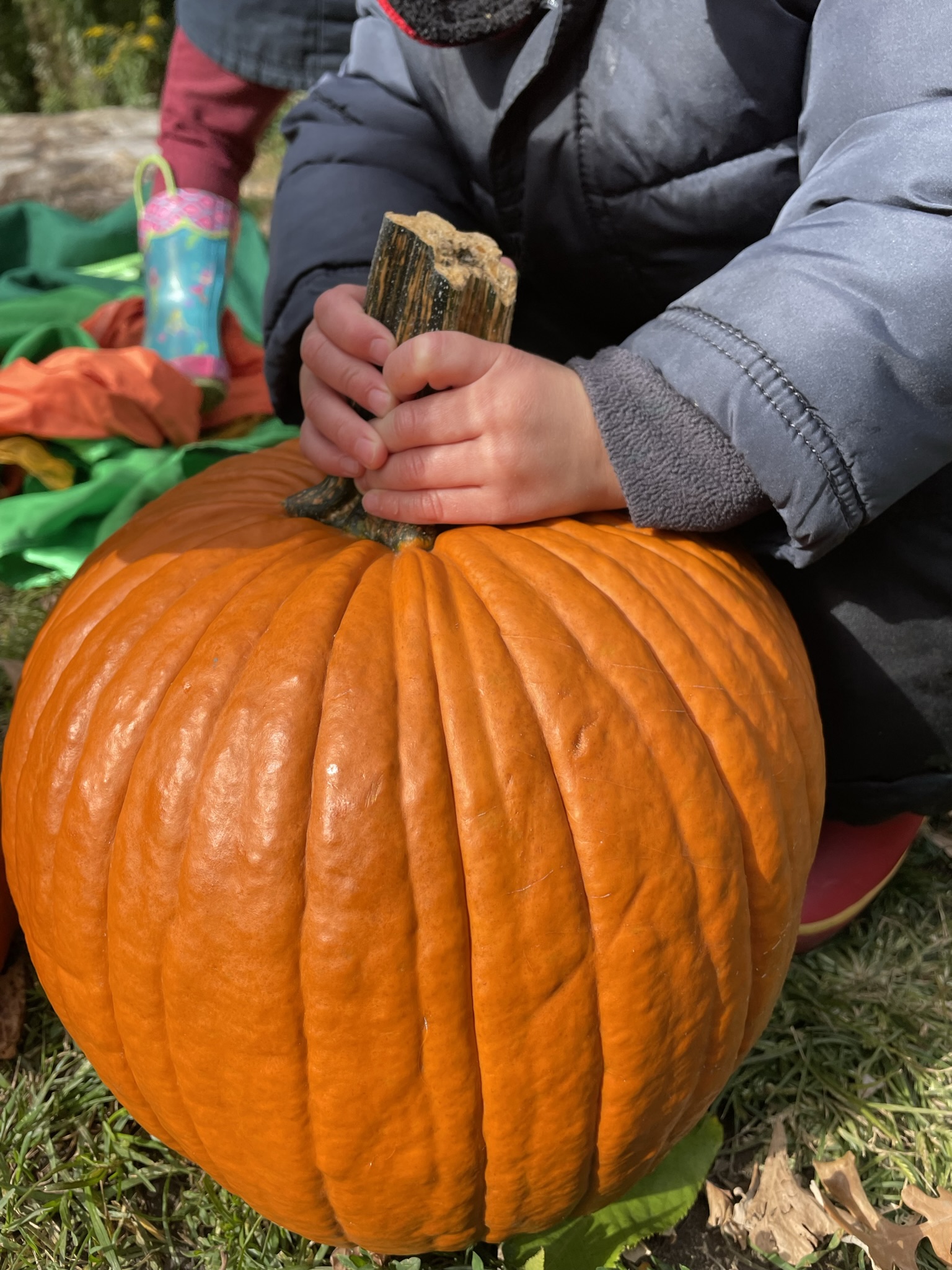
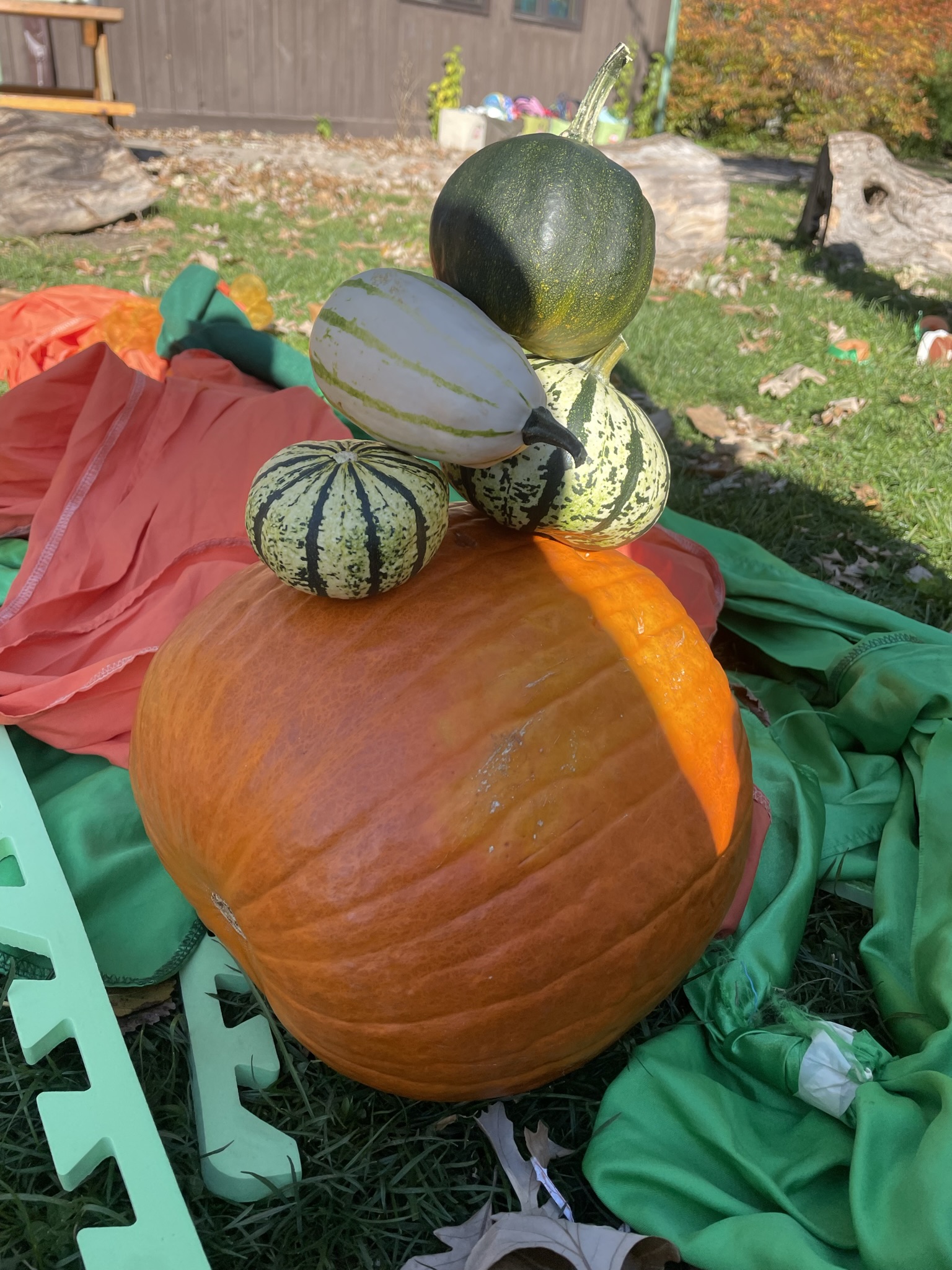
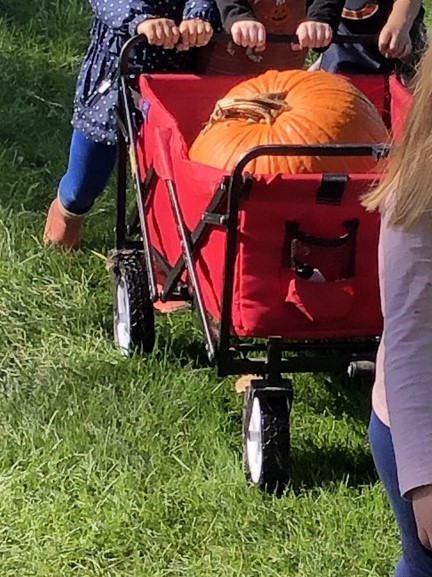
Add pumpkins as loose parts in your classroom, for exploring and painting, as well as taking along when going outdoors. “Heavy” lifting of pumpkins invites children to be strong and placement and stacking challenges them to explore with balance and gravity. – Marilyn, Morton College

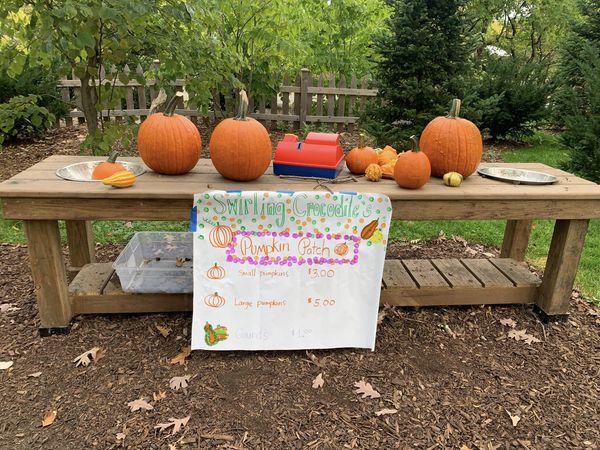
5. Pumpkin Patch Dramatic Play

Pumpkins and gourds and a cash register to ring up their “purchases”. No cash register? An old corded phone set or a calculator can work in a pinch.

Have you had a pumpkin patch in your program? What did your students use as currency? Did they use baskets or shopping carts or grocery bags to carry away their purchases? – Megan, Little Trees Early Learning Program at The Morton Arboretum

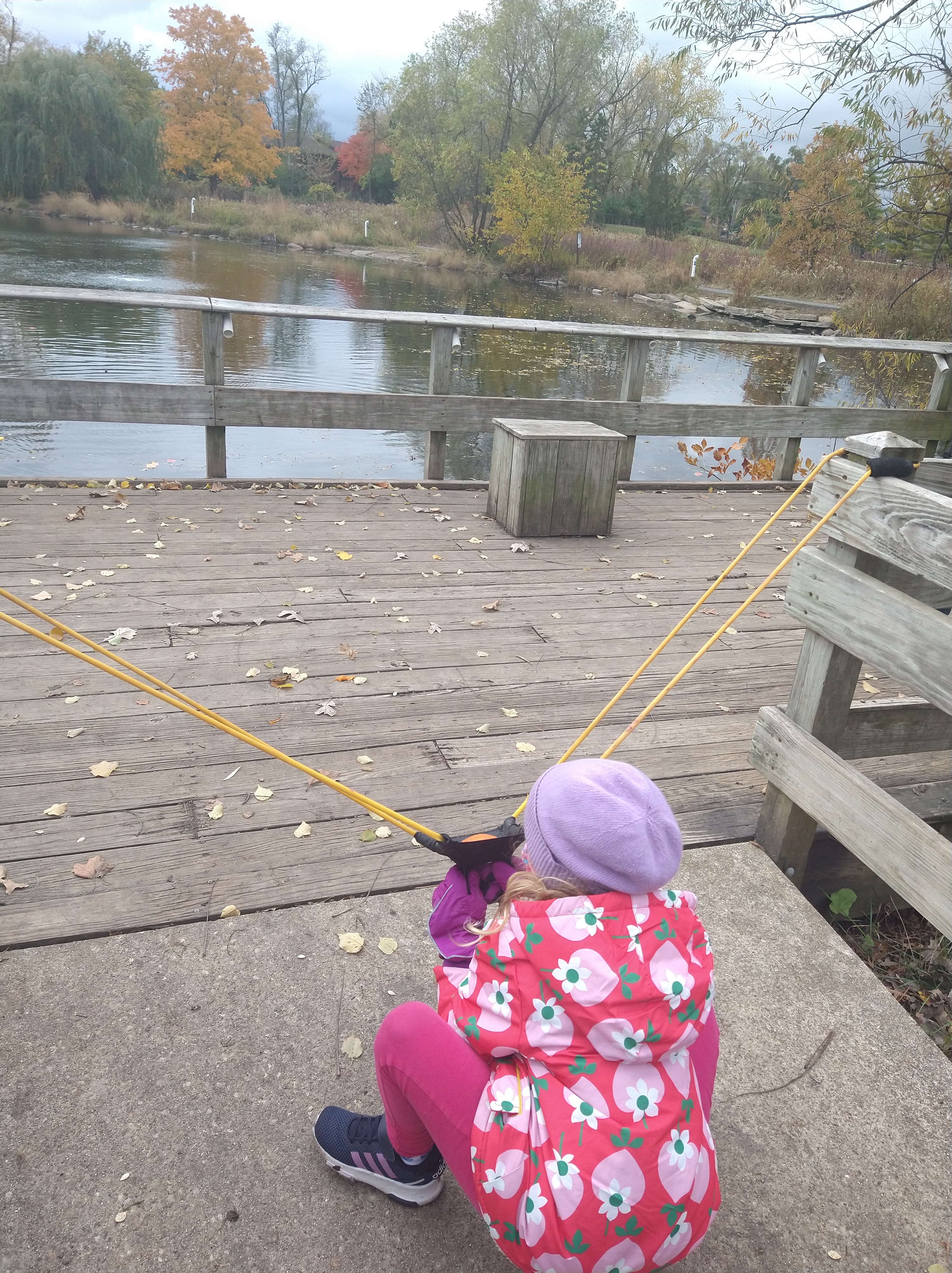
6. Pumpkin Sink or Float

Do Pumpkins Sink or Float? We tested our pumpkins and gourds in our pond, but we’ve brought this activity inside in the past when it was a bit chillier. (And sometimes you have to test to see if pumpkin pieces float just as well in the middle of the pond as they do on the side – which is when we bust out the water balloon slingshots!)

Have you explored sink and float with pumpkins in your classroom? What have your students noticed? Do big pumpkins float the same way little pumpkins do? Have any pumpkins ever sunk in your experiments? – Kristen, Wildwood Nature Center, Park Ridge Park District

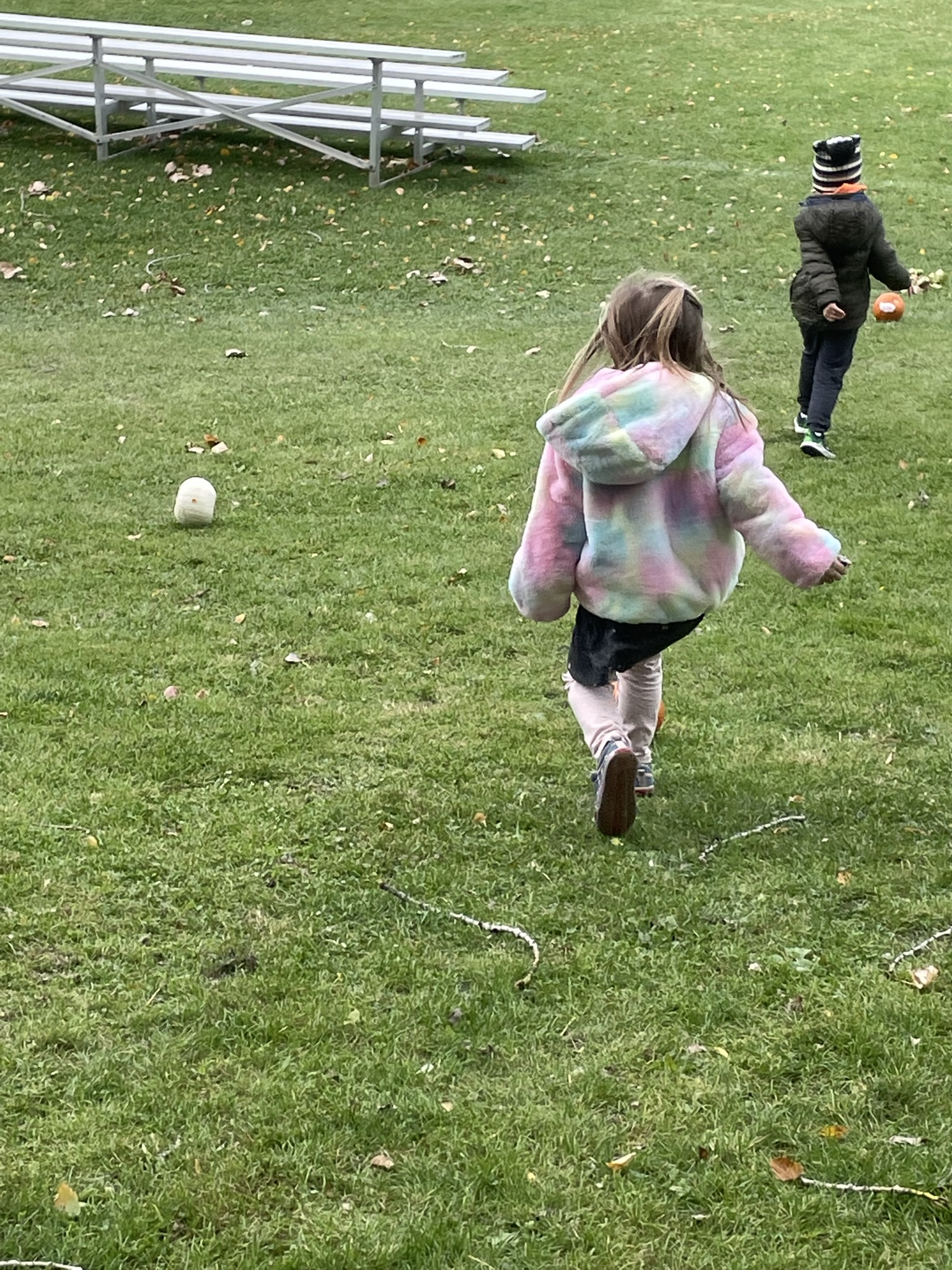
7. Rolling Pumpkins

Time to roll those pumpkins down the hill! Race and chase (and even roll) after them! – Jen, Wildwood Nature Center, Park Ridge Park District

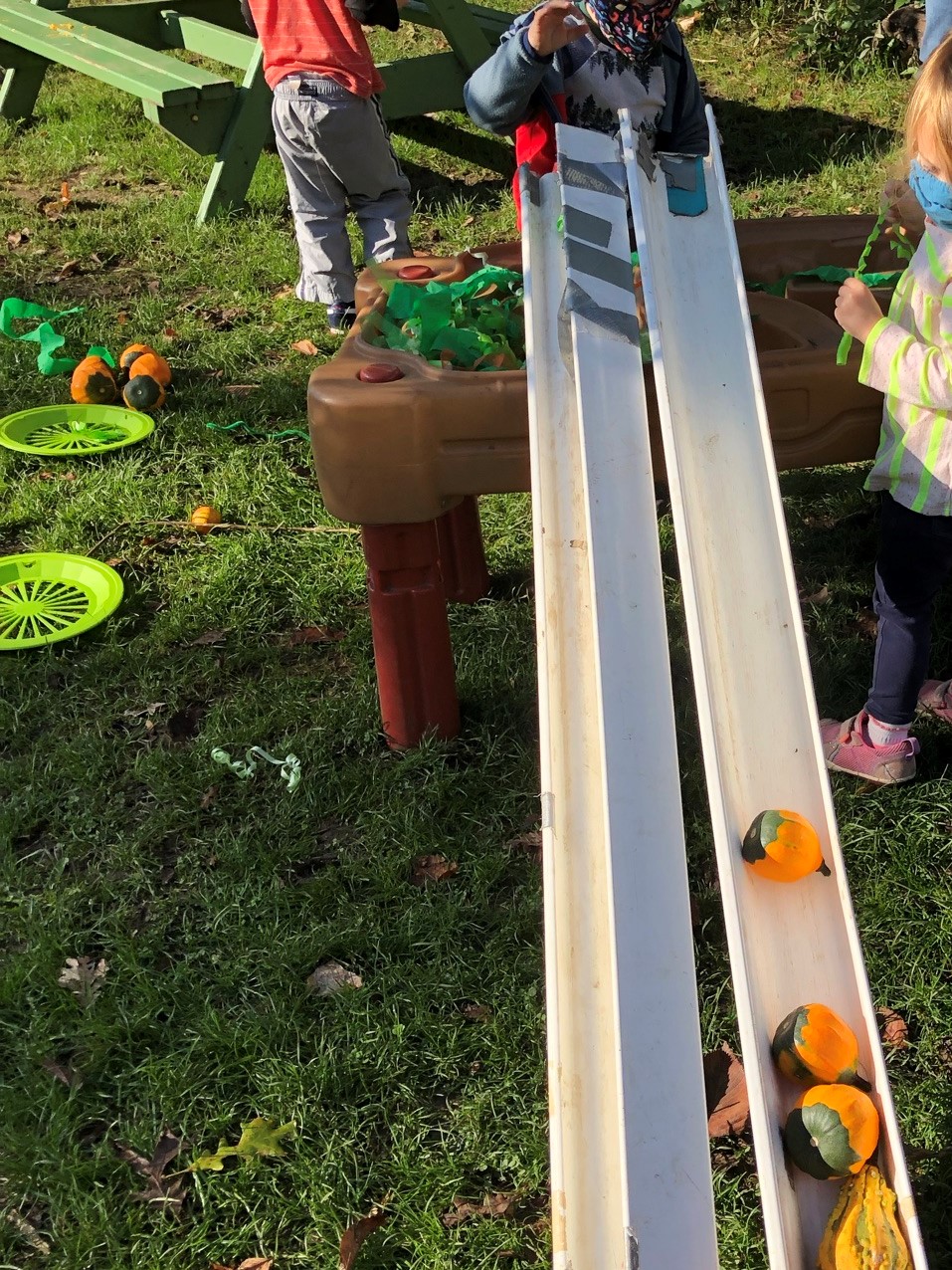
8. Gutter Gourds

We rolled big on the hill, now it’s time to roll small on the gutters. How do gourds roll best? Are any gourds too big to fit? We take turns running after our gourds or we gather a bunch at the top of our ramp and send them down as fast as we can! When gutters are unavailable, our gourds or pumpkins are too big, or when we have a lot of kids exploring gravity at the same time, we set up a cardboard ramp or a table with one side collapsed as a makeshift ramp instead. – Cara, Wildwood Nature Center, Park Ridge Park District

9. Pumpkin Tools

We play with scoops, carvers, hand drills, and more. How do you use pumpkin tools in your classroom?

10. Pumpkin Guts Exploration

After carving a LOT of pumpkins, we have lots of guts leftover! Perfect for a gut sensory bin for lots of scooping and seeds.

11. Pumpkin Puzzles

Explore shapes and make matches (and feed seeds through the holes for some fine motor fun too!) – Karly, Wildwood Nature Preschool/Park Ridge Park District

12. Pumpkin Soup

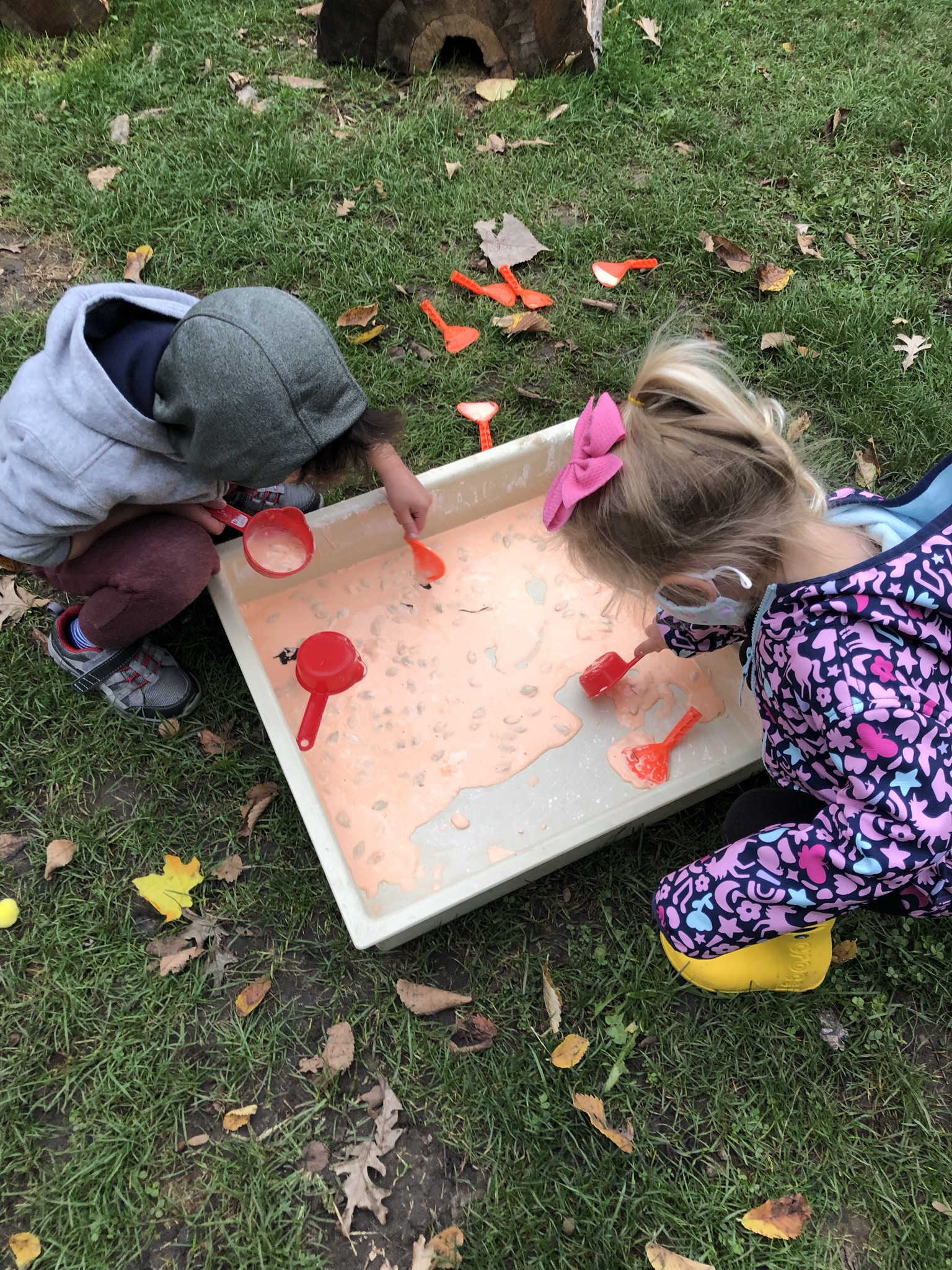
We use tools from our mud kitchen and water to make “pumpkin soup” and “pumpkin tea” [not pictured: the indoor configurations of this activity and the many towels that are needed]. Sometimes we add cornstarch to make pumpkin oobleck! – Cara, Wildwood Nature Center/Park Ridge Park District

13. Plant Pumpkin Seeds

Can’t get enough of pumpkin play? It’s time to bury those seeds and wait for the pumpkins and gourds to grow again next year!

What do you do with your leftover pumpkin parts?

Thank you to all the NINPA members who sent in pictures and contributed great ideas for our Pumpkin Play week. There are so many more great ideas to share. What are your favorites?

How to find the right nature-based preschool…

While families are currently looking for programs, we thought it was time to update this blog with some new tips.

ninpaadmin's avatarNorthern Illinois Nature Play Association

So you are interested in enrolling your child in a nature preschool, but you don’t know exactly what to look for.  Well, each nature-based program can differ quite significantly.  Some programs hold classes outside all day with little to no indoor space.  Some programs bring outdoor elements into their existing classroom and extend the outdoor time by utilizing a nature-play space.  Curriculum can range from play-based to emergent interest to planned inquiry units.  Finding the right fit for your family is a personal choice.  Here are some things to look for or some questions to ask while on your tour:

  1.  What is the educational philosophy of the school? Does it support frequent and prolonged experiences in nature?
  2. How are the local community and environment reflected in the program and curriculum?
  3. What is the educational background of the staff?  Have they had formal training in early childhood education as well as…

View original post 327 more words

A Nature Preschool How-To Guide for Sit-Spots

Sit-spots are exactly what they sound to be: a spot in which you sit upon.  Sit-spots are an excellent way to slow down, connect with nature. They can be a time of solace, creativity, reflection, relaxation and so much more. Sit-spots are a mindful way for any age to check-in and to be present in the moment, easing life’s stressors as you settle-in to the natural world around you.  So how does one go about acquiring a “sit-spot” and what exactly does one do there? Let’s find out!

Choosing Your Sit-Spot

The best kind of sit-spot is one that your child feels comfortable-in and familiar with. So, you’ll want to choose a natural area that is easily accessible and preferably in a space that you can visit frequently and regularly. The idea is that your sit-spot should be easy and quick to get to! A sit-spot can be just about anywhere in the great outdoors: in your yard, a schoolyard, a public park, an open grassy area, or a patch of prairie or woods in your neighborhood! Look for a spot that has natural affordances that catch your eye; like trees, rocks, grasses, shrubs, water, plants, flowers, and maybe a view. 

2nd

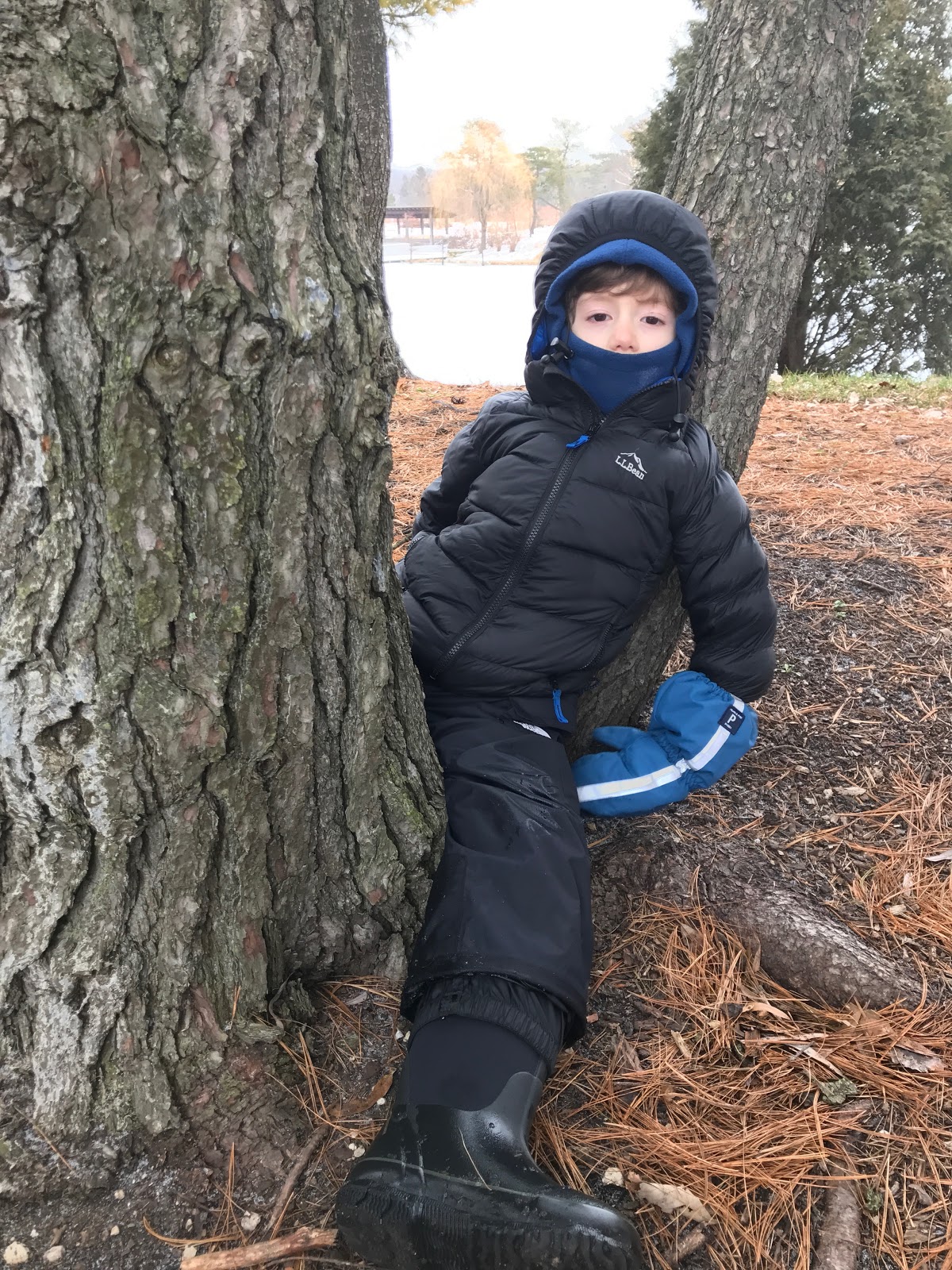
Don’t forget that trees make for great backrests and large rocks can easily become seats! Try cutting up an old yoga mat or camping tarp to create a one-of-a-kind seat to go on the ground! You can have one big family sit spot, or individual sit-spots.  Do what works best for you, there is no right or wrong way for you or your child to choose a sit-spot.

When to Visit Your Sit-Spot and How to Settle In
Try to visit your same sit-spot once a week or for however long is convenient for you! We recommend beginning with just five minutes and building from there. Want to spend more time in your sit-spot? Go ahead, why not! Spending time in your sit-spot no matter how much or how little, is about giving you and your child the opportunity to be present, to relax, and to find solitude and solace in nature.

When you arrive at your sit-spot, you’ll want to settle in by taking some deep breaths. Encourage your child to pretend to smell a flower and blow out birthday candles as they breath deeply, all the while saying out loud, “Smell your flower, and blow out your candle!” for an added visual cue. 

So Now What?
Once you find your sit-spot, cozy-up and settle in, what you do with your time there is totally up to you! There are many ideas and activities to explore and we’ve shared some insider tips on each one below. Just remember, visiting a sit-spot on a regular basis is about giving you and your child the opportunity to be present and to relax. So even if all you do is close your eyes and breath, you’re doing just fine! 


Ideas and Activities to Explore While in Your Sit-Spot: 

  • Sensory Checklist: Go through all five of your senses! Note the smell, touch, sight, sound and even taste if there is anything safe to do so! OR skip the senses and take a sky break, or even just close your eyes. 
  • Storytelling: Ask your child to tell you a story, and write down their words for a one-of-a-kind story experience. Added bonus, ask your child author if they would also like to be the illustrator and draw pictures for their story!
  • Animal Interactions: 
    • Sprinkle bird seed near your sit-spot or hang a bird feeder and wait patiently!
    • Bring along a magnifying lens and look for insects on the ground. 
  • Take along a picnic and have a special outdoor kind of snack for the day. 
  • Journaling: Take along a small note pad or sketch book! Don’t have one? Try making one with recycled materials around the house. 
    • Sketch images of what you see around you and beneath you at your sit-spot.
    • Sound Mapping: Draw an “X” to represent you in the center of your page. Then write or draw what you hear around you, in relation to your position.

3rd4th

About the Author

Sarah Sheldon is a Lead Teacher at the Chicago Botanic Garden Nature Preschool and Advisor of Professional development for NINPA.